Pros & Cons of Solar Energy
Advantages and Limitations of Solar Energy for Homes
2026-02-21T00:00:00.000Z•8
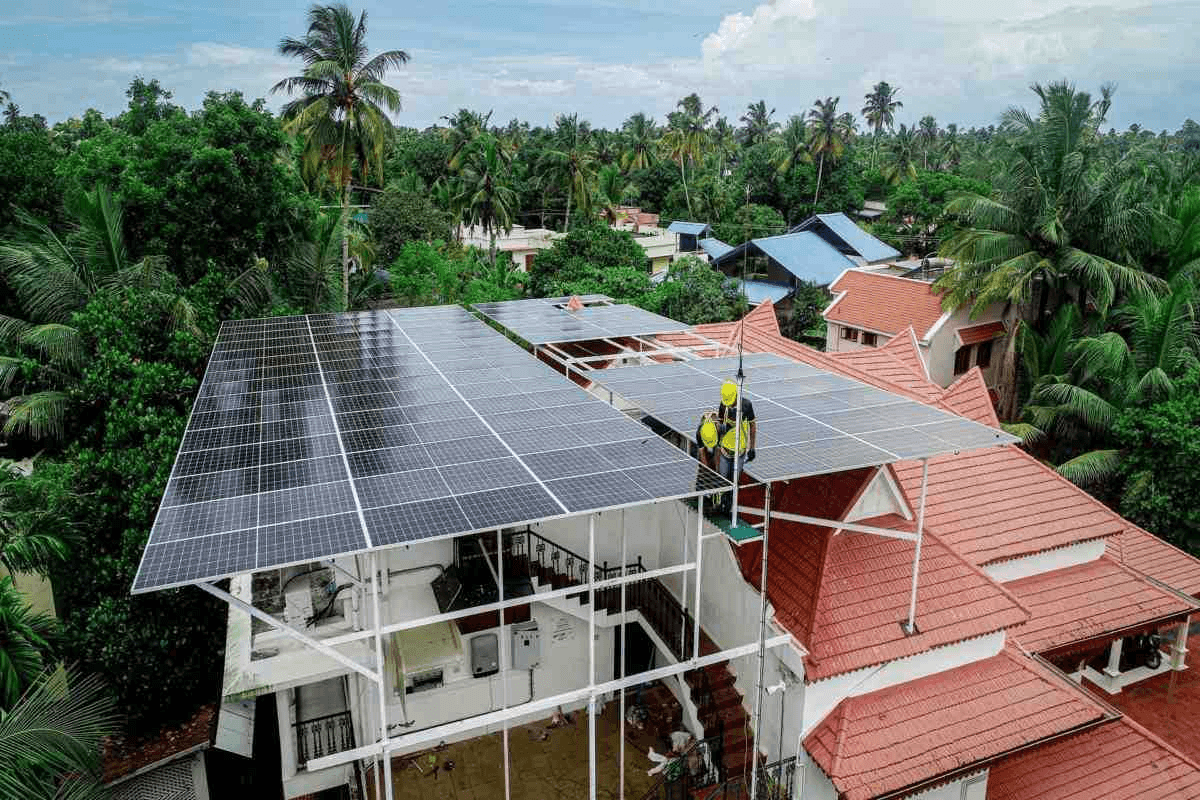
Solar panels reduce electricity bills by 30% to 70% and deliver payback within 4 to 6 years, but they require significant upfront investment and depend on roof suitability.
Solar energy cuts monthly electricity costs by ₹12,000 to ₹16,000 for a typical 10kW system
Government subsidies up to ₹78,000 available under PM Surya Ghar scheme
Panels last 25+ years with minimal maintenance (₹3,000-₹6,000 annually)
With net metering, any unused electricity from your solar system is credited back through the utility grid.
for residential properties have become increasingly accessible with improved technology and government support programs.
High initial cost (₹4.9-₹6.2 lakh for 10kW) remains the primary barrier
Electricity rates are climbing 6% to 8% annually, adding over ₹7,500 per year to household expenses. Homeowners are actively seeking energy cost control solutions.
As solar specialists with 100+ residential installations, we have seen how 2026's improvements have made solar essential:
Inverter efficiency now reaches 97-98%
with modern MPPT technology
Expanded government subsidy programs
Streamlined net metering policies
This guide uses real installation data, current incentives, and verified performance metrics to help you decide.
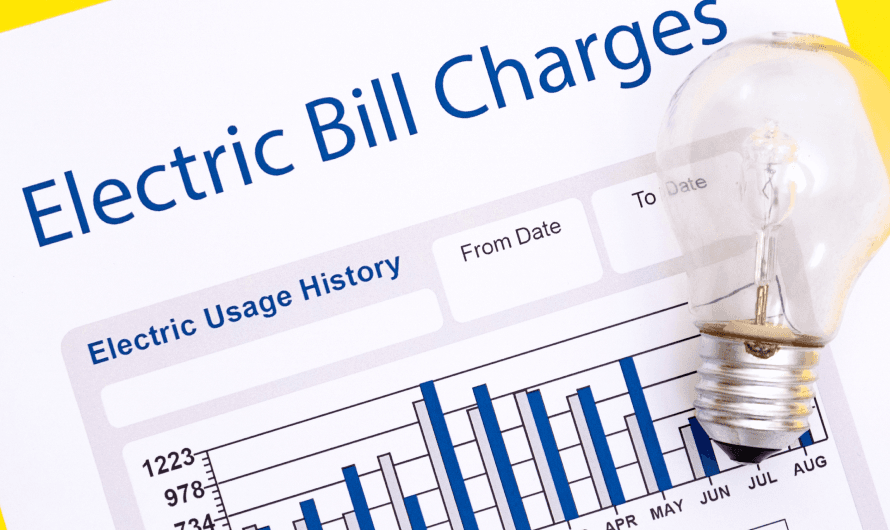
Solar installations eliminate 30% to 70% of your electricity expenses immediately.
Typical Savings:
10kW system reduces monthly bills from ₹12,000-₹16,000 to nearly zero
Works best with on-grid net metering
Electricity you generate is free after installation
Learn how rooftop solar benefits homeowners with detailed breakdowns of savings by household size and consumption patterns.
Utility rates have increased 6% to 8% annually over the past decade, adding over ₹630 per year to household costs.
Price Stability Benefits:
Solar locks in your energy cost at today's rates
Typical cost: ₹8 per kWh vs grid power at ₹8-₹16 per unit
Forecast household expenses accurately for the next 25 years
Use our guide to understanding solar energy savings to calculate your exact protection against future tariff increases over 25 years.

Residential solar systems achieve payback within 4 to 6 years.
Financial Returns:
Annual ROI ranges from 15% to 25%
Outperforms most traditional investments
After break-even point, enjoy virtually free electricity for 20+ years
Every rupee saved on electricity bills after payback represents pure profit from your solar investment.
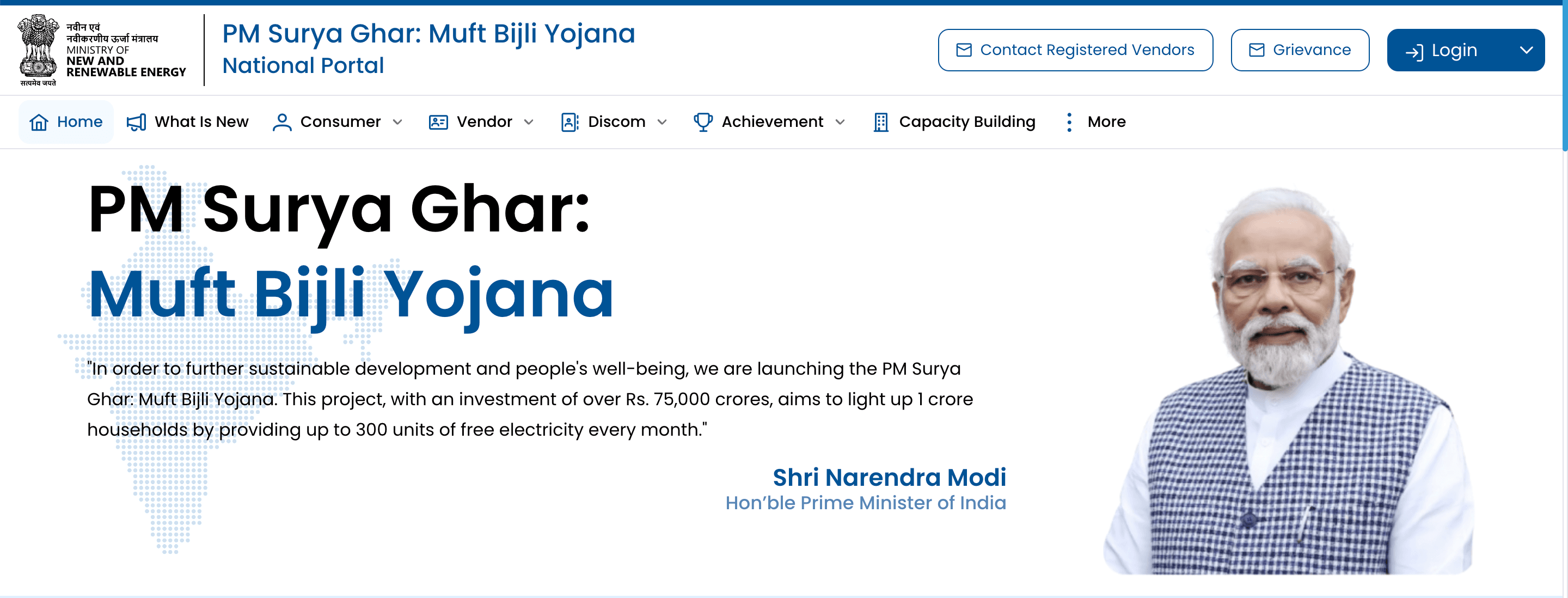
Available Support:
Some states like Delhi offer additional subsidies
Over 10,000 connections generating ₹160 crore in annual consumer savings
Professional installers manage all documentation and approval processes
Check current solar subsidy rates in Gujarat for 2026 and learn how to apply through simplified online processes.
Net metering policies allow you to export excess solar power back to the grid, earning credits that offset your electricity bills during low generation periods.
How It Works:
Bi-directional meter tracks energy flow
Export surplus energy during peak generation
Use credits when solar generation is low
Maximizes your investment returns
Your surplus energy doesn't go to waste but instead reduces overall electricity costs.
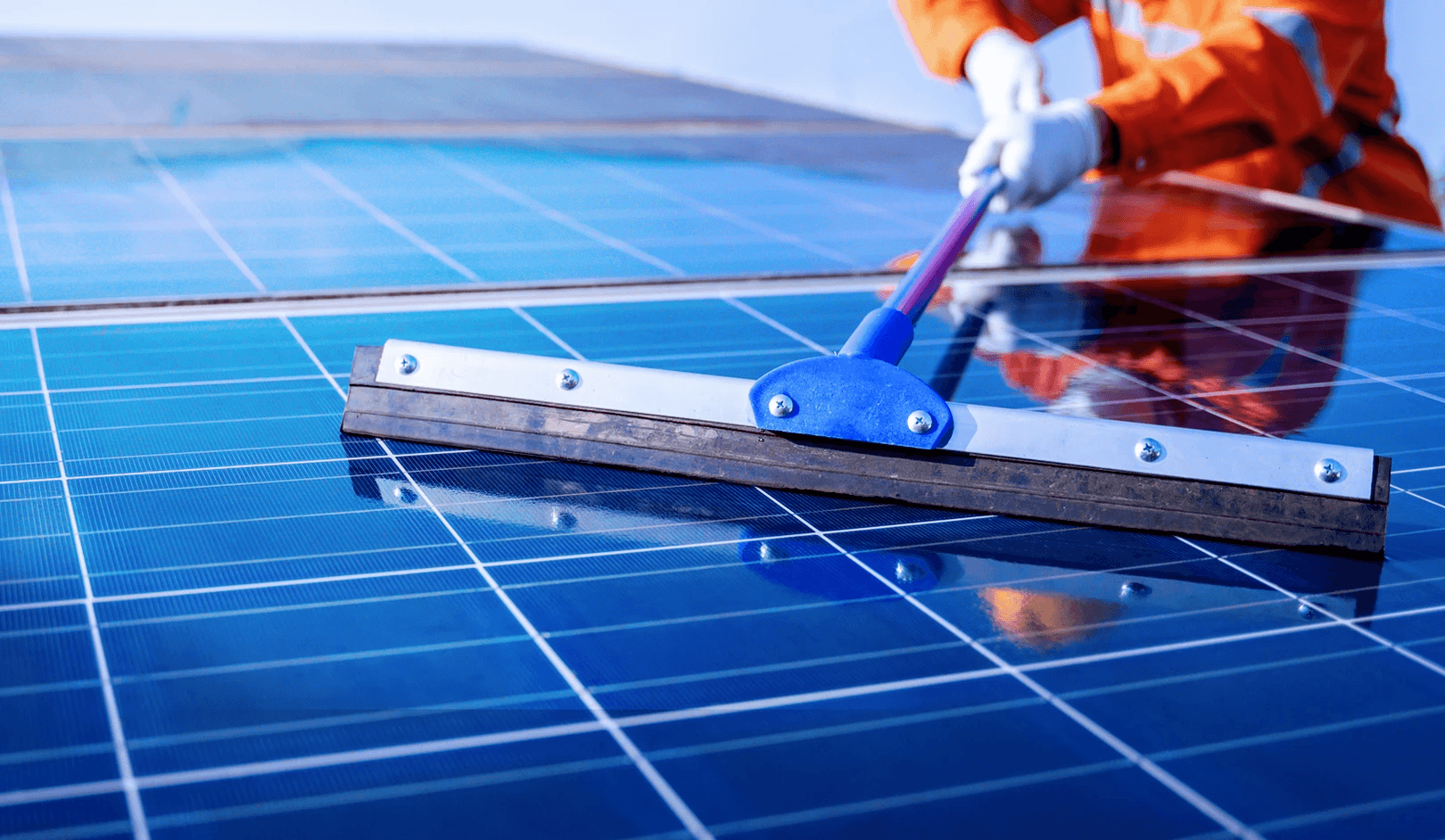
Solar panels require basic maintenance with annual costs between ₹3,000 to ₹6,000.
Maintenance Schedule:
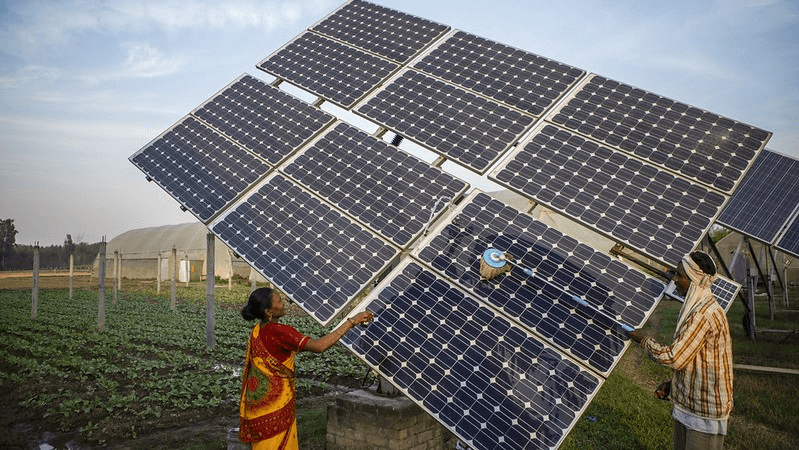
Quarterly panel cleaning to remove dust
Annual wiring inspections
Inverter servicing as needed
No major repairs typically required for 25+ years
Properly maintained panels deliver reliable performance throughout their entire lifespan.

Homes with solar installations command premium prices in the resale market.
Property Benefits:
Solar represents a permanent upgrade
Continues delivering value to new owners
Properties with clean energy infrastructure appeal to environmentally conscious buyers
Real estate experts confirm solar installations enhance property marketability and valuation.
Solar reduces your dependence on grid power and protects against supply disruptions.
Independence Advantages:
Systems with battery storage maintain critical operations during outages
You gain control over your primary energy source
Less reliance on utility companies
Protection from grid voltage fluctuations
Explore Wave hybrid inverter systems that integrate battery storage for complete energy independence during grid failures.
A typical residential 5kW system displaces approximately 6-7 tonnes of CO₂ annually.
Environmental Contributions:
Over 25 years, your home prevents over 150 tonnes of carbon emissions
Solar electricity produces zero toxic gases during operation
Zero hazardous byproducts
Residential solar systems combine environmental benefits with financial returns, making them ideal for eco-conscious homeowners seeking energy independence.
India receives abundant tropical sunlight with over 300 bright days annually, making it geographically ideal for solar energy.
Climate Advantages:
Most regions experience consistent solar irradiation year-round
Natural advantage translates to higher energy generation
Faster ROI compared to temperate climates
India's sunshine availability makes solar one of the most reliable renewable energy sources nationwide.
The primary barrier remains the substantial initial cost, with 10kW systems ranging from ₹4.9 to ₹6.2 lakh even after subsidies.
Financial Considerations:
Represents 6-12 months of electricity bills paid upfront
Zero-down solar loans spread costs over time
Interest expenses extend the payback period
Get detailed solar panel cost breakdowns for India including component-wise pricing, financing options, and cost-reduction strategies.
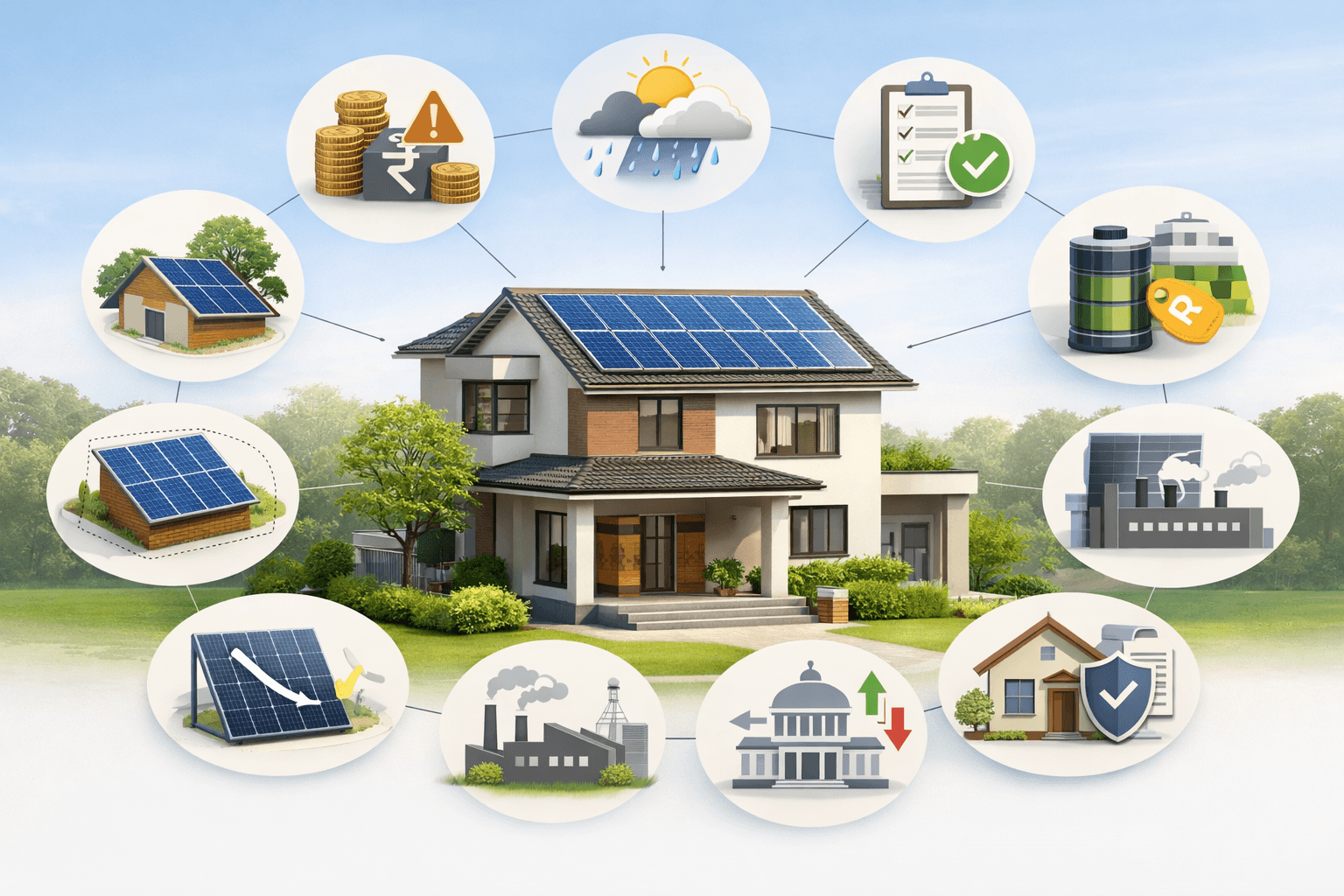
Not all roofs support solar installations due to orientation, shade coverage, or structural integrity issues.
Roof Assessment Factors:
Orientation toward the sun
Shade coverage from trees or buildings
Structural strength to support panel weight
Urban high-rise buildings face additional installation complexity
Read our solar panel installation guide for homeowners covering site assessment, structural requirements, and installation timelines.
Solar panels generate electricity only during daylight hours, with output varying based on cloud cover, seasonal changes, and weather conditions.
Generation Variations:
Monsoon months see reduced generation compared to summer peaks
Cloudy days produce 10-25% of peak capacity
Intermittent nature requires grid connectivity or battery storage for 24-hour availability
Understanding seasonal patterns helps set realistic generation expectations.
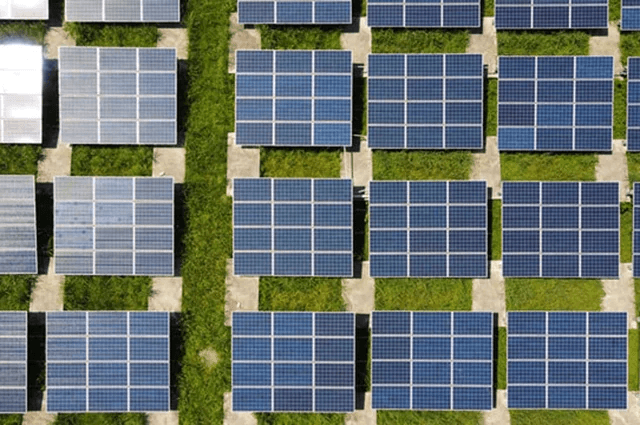
Residential rooftops may lack sufficient unshaded area to install systems large enough to meet total energy needs.
Space Requirements:
10kW system typically requires 900-1,000 square feet
Shadow-free roof space essential
Smaller systems generate proportionally less savings
Extended payback periods for undersized installations
Measure available roof area accurately before finalizing system capacity.
Obtaining necessary approvals, net metering connections, and understanding local policies requires time and expertise many homeowners lack.
Regulatory Challenges:
Bureaucratic processes vary across different states
DISCOM requirements differ by region
Documentation and approval timelines unpredictable
Use our solar EPC company selection checklist to evaluate installer credentials, certifications, and track records before signing contracts.
Battery systems for off-grid or hybrid installations add ₹1.5-₹3 lakh to project costs.
Storage Considerations:
Batteries require replacement every 5-10 years
Replacement costs depend on technology and usage patterns
Most residential installations choose on-grid systems to avoid storage expenses
Evaluate whether battery backup justifies the additional investment for your situation.
Solar panels degrade by 0.5% to 1% annually, meaning a system generating 100% capacity today produces approximately 90% after 10 years and 80% after 25 years.
Degradation Impact:
Gradual decline affects long-term generation forecasts
Quality panels from reputable manufacturers experience slower degradation
Factor degradation into ROI calculations
Understanding degradation curves helps set accurate lifetime savings expectations.
Solar panel production involves energy-intensive processes and generates carbon emissions during manufacturing.
Production Considerations:
Large-scale installations require mining of raw materials
Manufacturing impacts environment initially
However, panels offset their manufacturing footprint within 2-3 years of operation
The long-term environmental benefits far outweigh initial production impacts.
The value of solar investments depends heavily on local net metering policies, subsidy availability, and grid connectivity rules that can change.
Policy Risk Factors:
Reductions in feed-in tariffs impact overall economics
Export rates may be revised by state governments
Established policies in most Indian states currently favor residential solar adoption
Monitor policy developments in your state before and after installation.
Some jurisdictions assess higher property taxes on homes with solar installations due to increased property value.
Additional Costs:
Home insurance premiums may rise slightly to cover the additional asset
Incremental costs remain minimal compared to electricity savings
Deserve consideration in total cost of ownership
Consult with local tax authorities and insurance providers for specific impacts.
Before making your decision, review everything you need to know before going solar for comprehensive planning guidance.
Average monthly electricity bill (solar makes sense above ₹8,000 monthly)
Available unshaded roof space (900-1,000 sq ft for 10kW)
Roof structural condition and age
Financial capacity for upfront investment or loan eligibility
Homeowners with rising energy consumption
Long-term residence plans (5+ years)
Access to government subsidies
Roofs with good sun exposure
Looking for commercial applications? Discover how businesses choose between CAPEX and RESCO solar financing models for optimal returns.
Schedule a free consultation with Earthwave Solar's certified EPC experts for a customized feasibility analysis.
We will evaluate your facility's energy consumption, roof capacity, tax profile, and financial goals to recommend whether CAPEX or RESCO delivers maximum value for your specific situation.
Our transparent assessment includes detailed system design, 25-year financial projections for both models, component specifications, and a clear implementation roadmap helping you make a confident, data-driven decision.
Contact Earthwave Solar | Call: +91 90336 07212
Serving commercial and industrial facilities across India.
Homeowners typically save ₹12,000 to ₹16,000 monthly with a 10kW system, achieving 30% to 70% reduction in electricity bills depending on consumption patterns and system size.
Residential solar installations achieve payback within 4 to 6 years for on-grid systems, after which energy costs drop to maintenance-only levels for the remaining 20+ years.
Solar panels generate electricity during cloudy weather but at reduced output (typically 10-25% of peak capacity), making grid connectivity or battery storage essential for consistent power supply.
Solar systems need quarterly panel cleaning, annual wiring inspections, and inverter servicing, costing ₹3,000 to ₹6,000 annually with no major repairs typically required for 25+ years.
Professional site assessments evaluate roof orientation, structural strength, shading patterns, and available space (900-1,000 sq ft needed for 10kW systems) to determine installation feasibility.
The PM Surya Ghar Muft Bijli Yojana provides subsidies up to ₹78,000 for systems up to 3kW.
FAQS
Can't find the answer you're looking for? Our team is here to help.
SUBSCRIBE NEWSLETTER
Switching to solar is easier than you think. Let us guide you to cleaner, more affordable energy.
