Apartment Solar Installation
Apartment Solar Installation Guide 2026 With Subsidy
2026-02-21T00:00:00.000Z•9
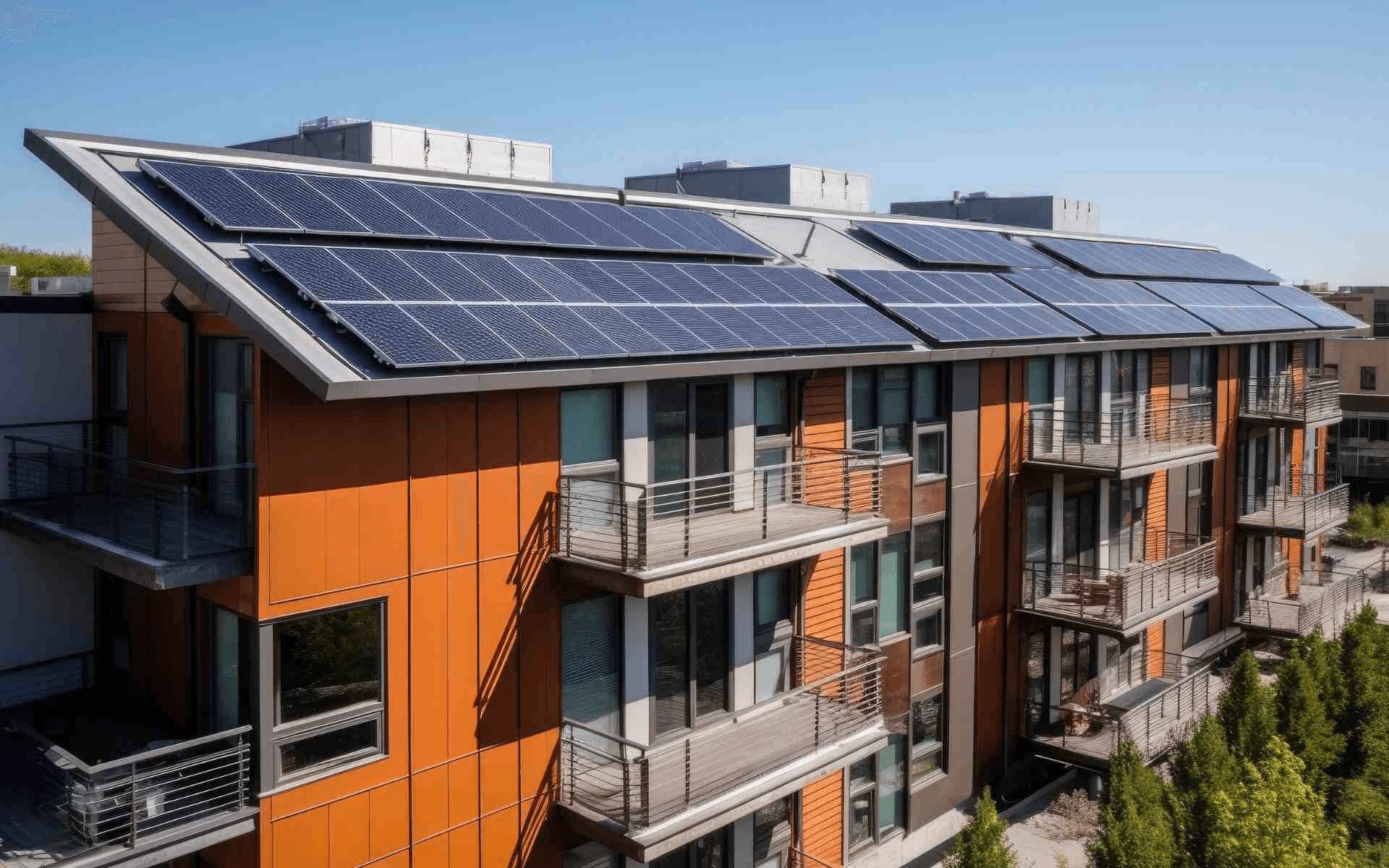
Apartment owners can install solar panels through rooftop systems, balcony solar kits, or shared society installations
And claim up to ₹78,000 government subsidy under the PM Surya Ghar Muft Bijli Yojana scheme, with the application deadline extended until March 31, 2026.
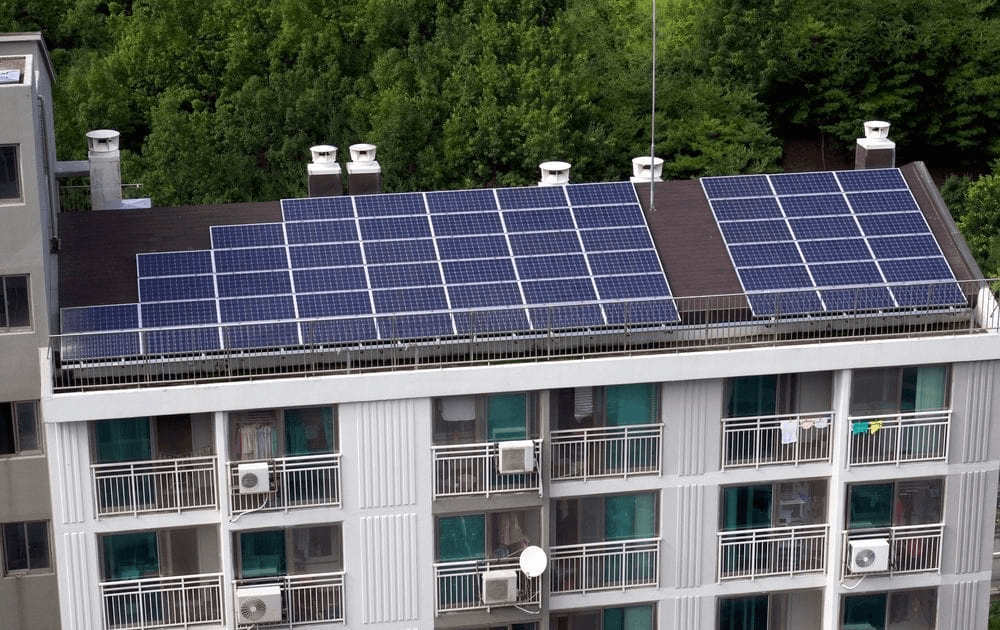
Government subsidy increased by 23%
in 2026: Get ₹18,000 per kW for systems up to 3 kW, then ₹9,000 per kW for additional capacity
Three installation options:
Rooftop solar for housing societies, balcony solar systems for individual flats, or Virtual Net Metering (VNM) for shared benefits
Payback period:
4 to 6 years with 25+ years of reliable energy generation
No roof access needed:
Renters can use portable balcony solar kits without landlord permission
Application deadline:
March 31, 2026 for central subsidy eligibility
Apartment solar installation has become significantly easier in 2026 due to expanded government policies and innovative technology solutions.
The Ministry of New and Renewable Energy (MNRE) made a major policy shift by including balcony solar and building-integrated photovoltaics (BIPV) under subsidy coverage. This means you no longer need terrace access to go solar.
Electricity bills for common areas (lifts, pumps, lighting) cost housing societies ₹50,000 to ₹3 lakhs monthly
Property value increases by 3% to 5% with solar installation
RWA committees can reduce monthly maintenance charges by 30% to 40%
Energy independence shields residents from future tariff hikes
New to solar? Read our complete solar panel installation guide.
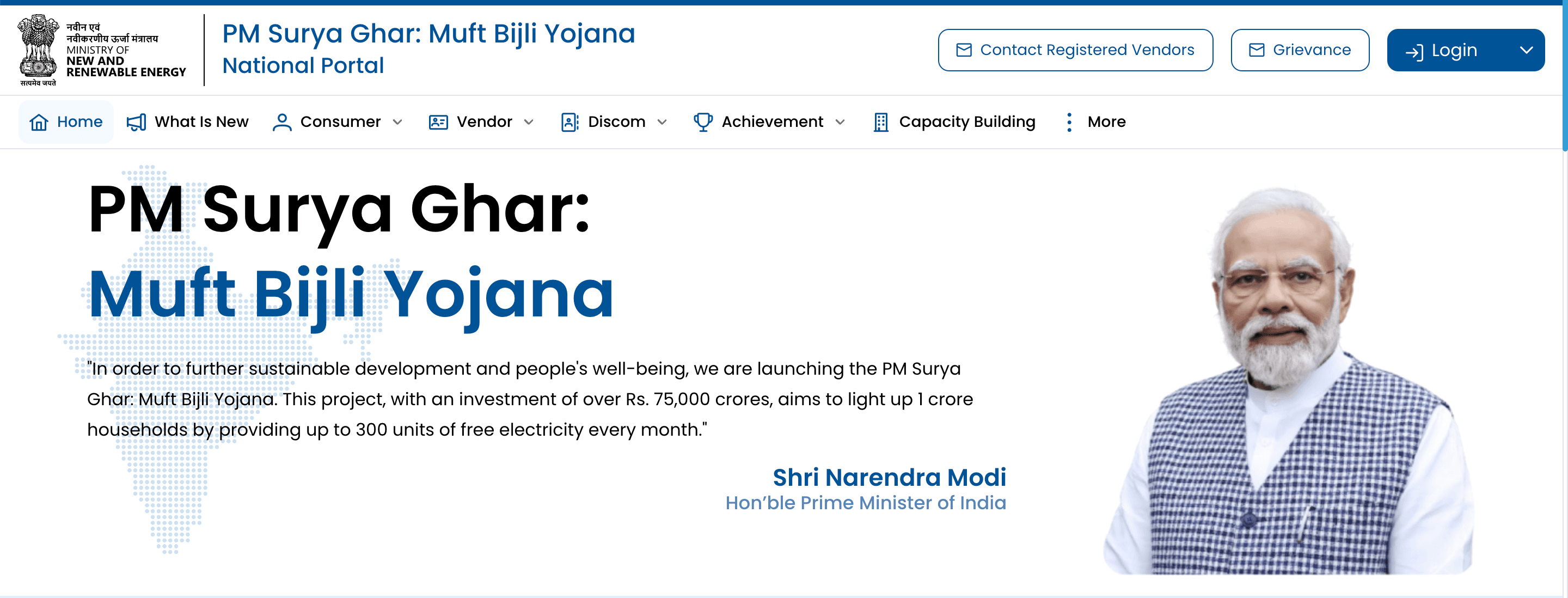
The PM Surya Ghar scheme provides direct subsidy to make apartment solar affordable.
Subsidy rates for 2026:
Up to 3 kW systems:
₹18,000 per kW (total ₹54,000 for 3 kW)
3 kW to 10 kW systems:
₹9,000 per kW for capacity above 3 kW
Maximum subsidy:
₹78,000 for a 3 kW system (covers 40% to 50% of total installation cost)
Example calculation:
A 3 kW system costs ₹1,20,000 to ₹1,50,000 before subsidy. With ₹54,000 CFA, your actual investment drops to ₹66,000 to ₹96,000.
Explore our residential solar packages with complete subsidy support.
Several states offer top-up subsidies beyond the central scheme.
State-wise additional benefits:
Gujarat:
Extra ₹10,000 to ₹15,000 for MSME-registered housing societies
Maharashtra:
Accelerated depreciation benefits for group housing societies
Delhi:
Net metering setup charges waived (saves ₹5,000 to ₹8,000)
Karnataka:
Priority DISCOM approvals for residential societies (15-day turnaround)
To qualify for the 2026 subsidy, applicants must meet these criteria:
Indian citizen aged 18 years or above
Permanent resident with property ownership proof
Annual household income under ₹1.5 lakh (for tier-based subsidies)
System capacity between 1 kW to 10 kW
Installation by MNRE-registered vendor only
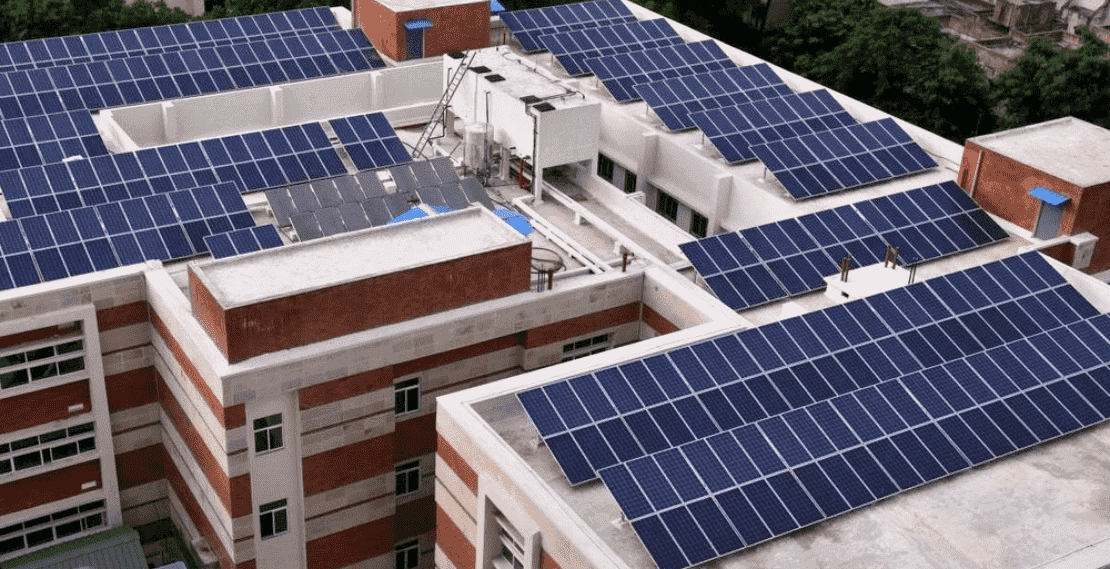
This is the most common solution for group housing societies (GHS) with accessible terrace space.
The society installs a centralized solar plant on the building terrace. Generated electricity powers common areas like lifts, water pumps, security lighting, and clubhouse facilities.
Reduces society maintenance charges by ₹2 to ₹5 lakhs monthly, Learn more about
our rooftop solar solutions for housing societies
.
All residents benefit equally regardless of floor
Society can claim commercial subsidy for systems above 10 kW
25-year lifespan with minimal maintenance
RWA committee approval (simple majority vote)
Structural audit for terrace load-bearing capacity
NOC from local municipal corporation
DISCOM feasibility approval
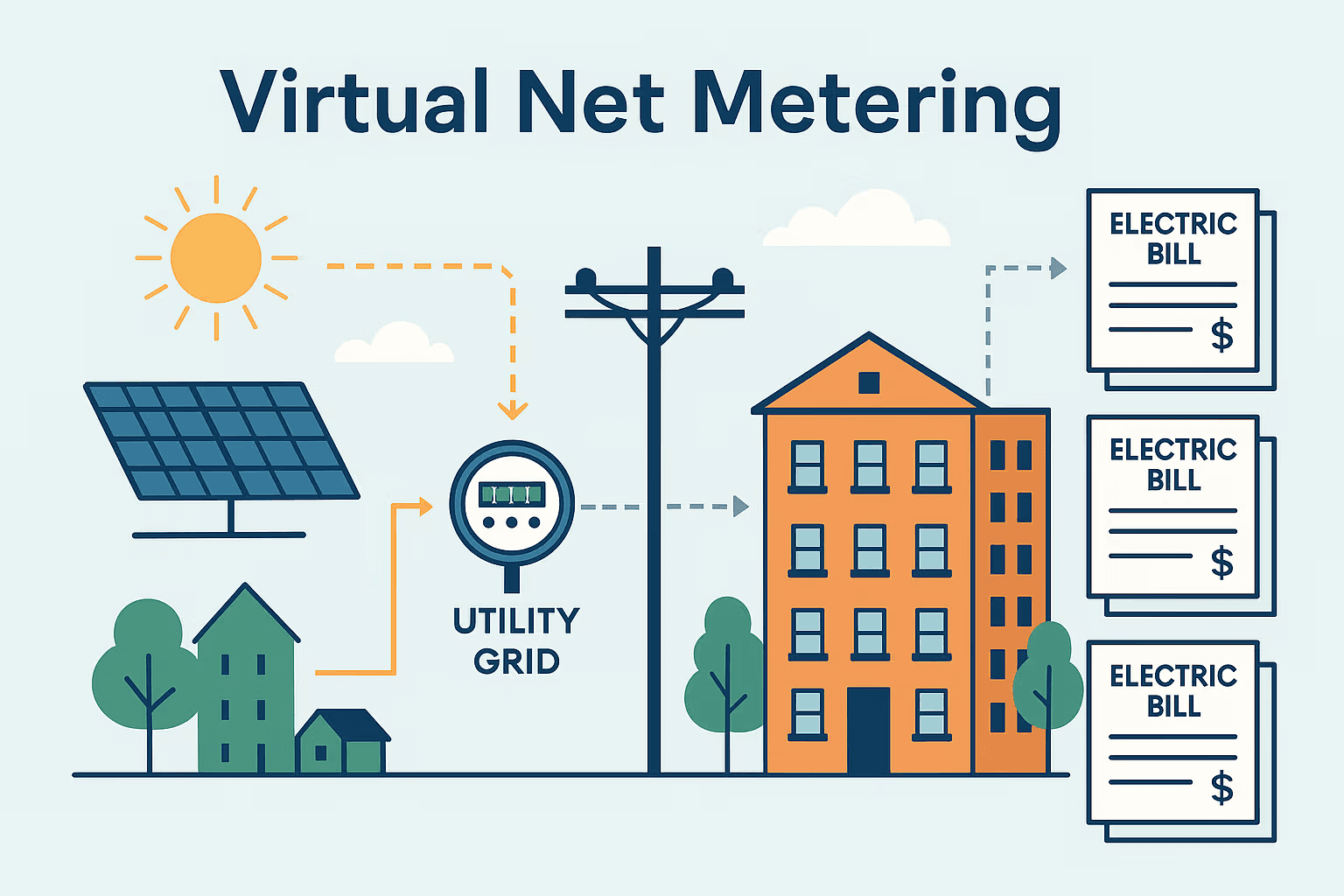
VNM is a 2026 game-changer that solves the rooftop access problem.
One shared solar plant is installed on the society terrace. The DISCOM credits generated electricity to individual flat owners' electricity bills based on their investment share.
Each flat owner gets direct bill reduction on their personal electricity account
No need for individual roof space or separate meters
Investment is proportional (invest more, save more)
Credits carry forward if you generate excess power, Our
maximize VNM efficiency with 97% conversion rates.
River Penta Sky in Surat installed a 30 kW VNM system. Each of the 40 flat owners invested ₹30,000 and now saves ₹800 to ₹1,200 monthly on personal electricity bills.
View our complete solar project portfolio with detailed case studies.
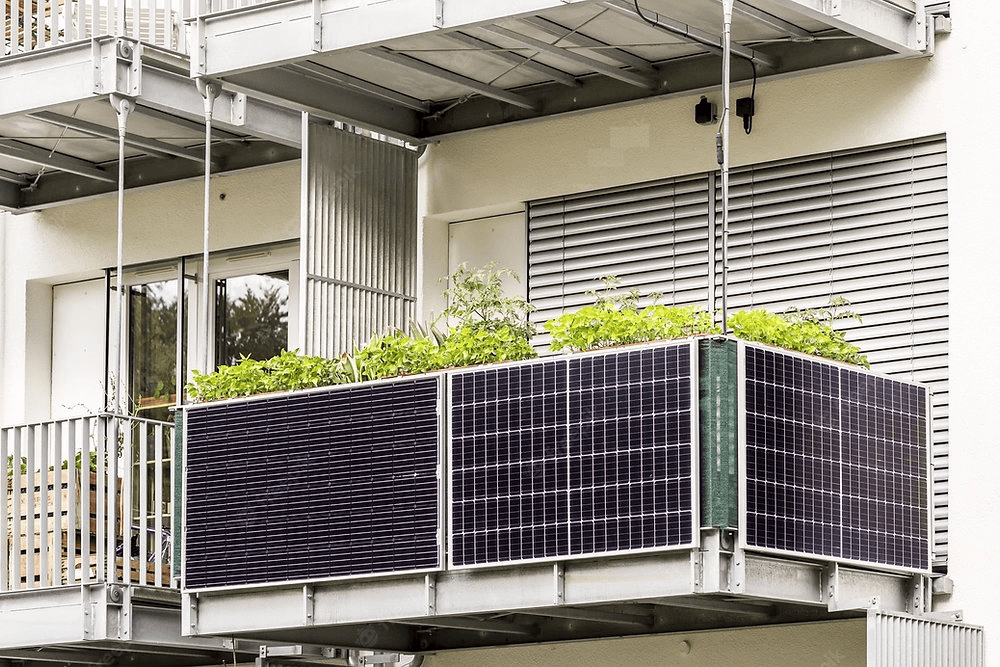
Perfect for renters or individual flat owners who cannot access the terrace.
These are compact, plug-and-play solar panels (100W to 800W) designed for balconies, window grills, or external walls. You simply mount the panel and plug it into any standard 220V power outlet.
No landlord permission needed
Portable (take it when you move)
Installation in 2 to 3 hours without drilling
Generates 1 to 4 units daily (saves ₹300 to ₹1,200 monthly)
Costs ₹8,000 to ₹35,000 depending on wattage
Ready to upgrade? Explore full residential solar systems for maximum savings.
Lower capacity compared to rooftop systems
Not eligible for government subsidy (as capacity is below 1 kW)
Ideal for 1 to 2 BHK apartments with moderate consumption
Understanding the real investment helps in planning.
1 kW system: ₹40,000 to ₹50,000
3 kW system: ₹1,20,000 to ₹1,50,000
5 kW system: ₹2,00,000 to ₹2,50,000
10 kW system: ₹3,80,000 to ₹4,50,000
3 kW system: ₹66,000 to ₹96,000 (after ₹54,000 subsidy)
5 kW system: ₹1,28,000 to ₹1,68,000 (after ₹72,000 subsidy)
A 1 kW solar system generates approximately 4 to 5 units daily (120 to 150 units monthly).
If your electricity tariff is ₹8 per unit, a 3 kW system saves ₹3,600 to ₹4,500 monthly (360 to 450 units generated).
Annual savings: ₹43,200 to ₹54,000
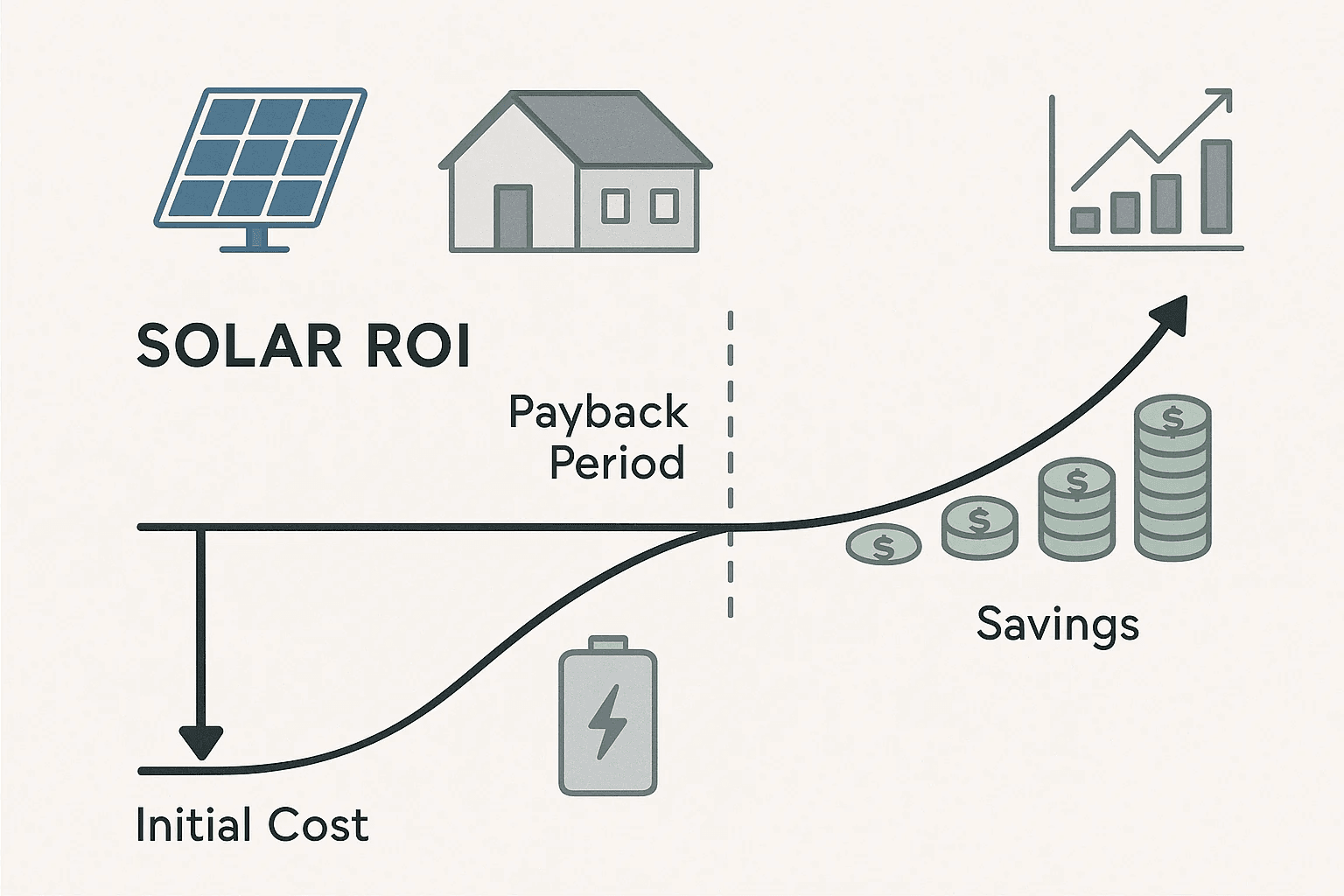
Payback period: With subsidy, most apartment systems pay back in 4 to 6 years. The system then provides free electricity for another 19 to 21 years.
Calculate your potential savings: Understanding solar energy savings.
Beyond direct electricity savings, apartment solar provides:
Net metering credits:
Sell excess power back to the grid at ₹3 to ₹5 per unit
Property value increase:
Apartments with solar access sell 3% to 5% higher
Tax benefits:
Housing societies registered as trusts can claim depreciation
Maintenance charge reduction:
Common area solar cuts society expenses by 30% to 40%
Read more: How rooftop solar benefits homeowners.
The 2026 application process is fully digital and streamlined.
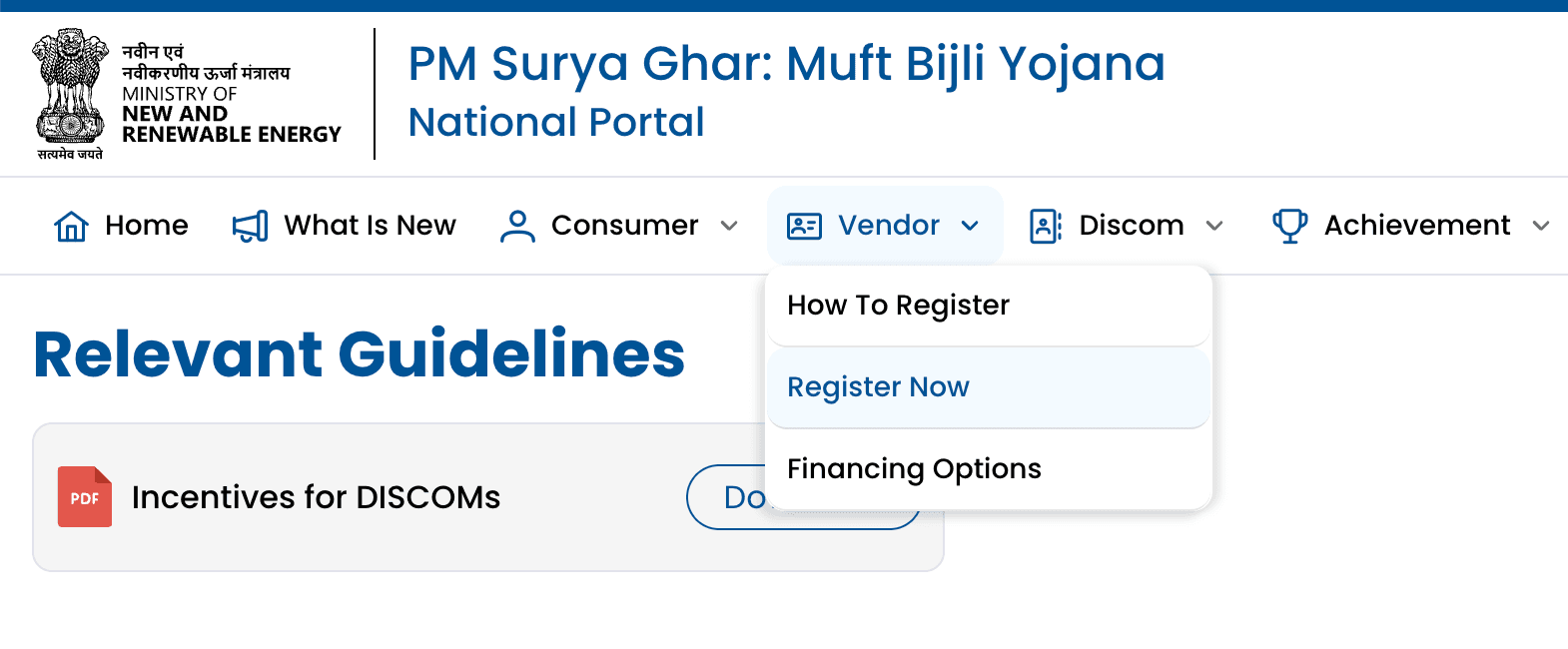
Visit the PM Surya Ghar official portal or download the Sandes App (government's secure messaging platform).
Documents needed:
Aadhaar card for identity verification
Latest electricity bill (to verify consumer number)
Property ownership documents (sale deed or society share certificate)
Bank account details for direct subsidy transfer
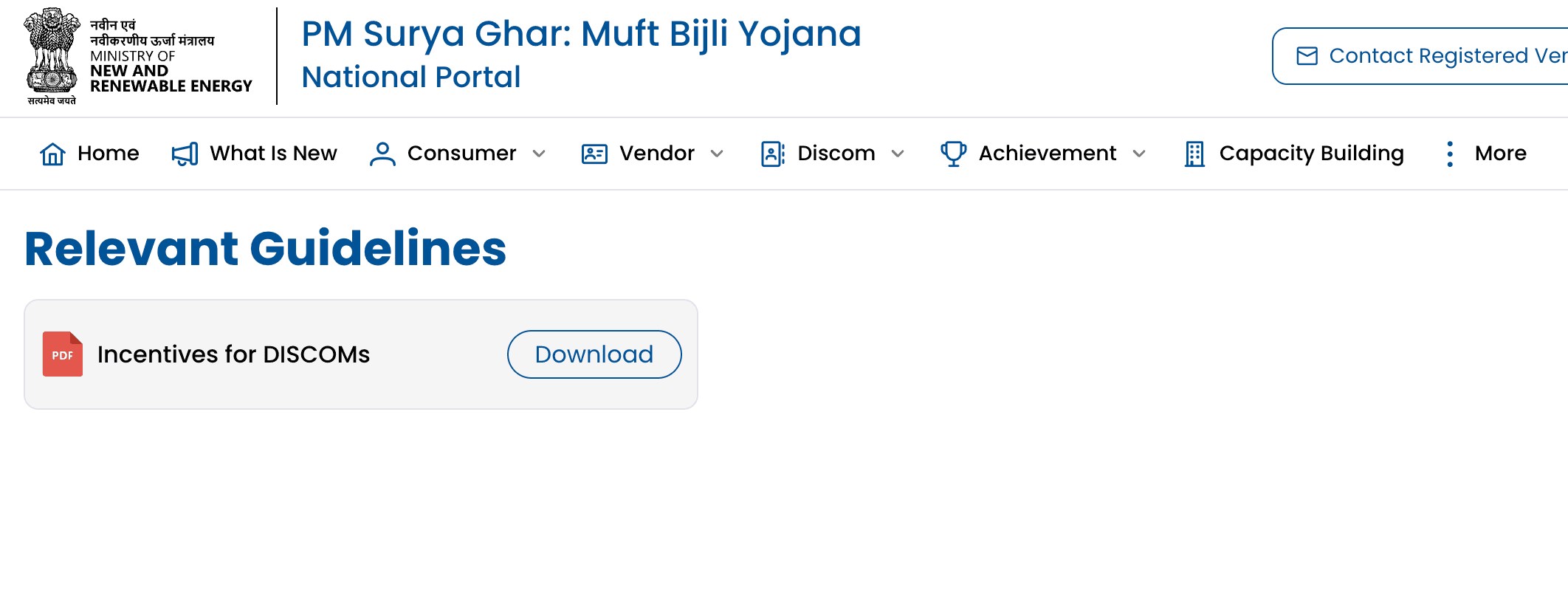
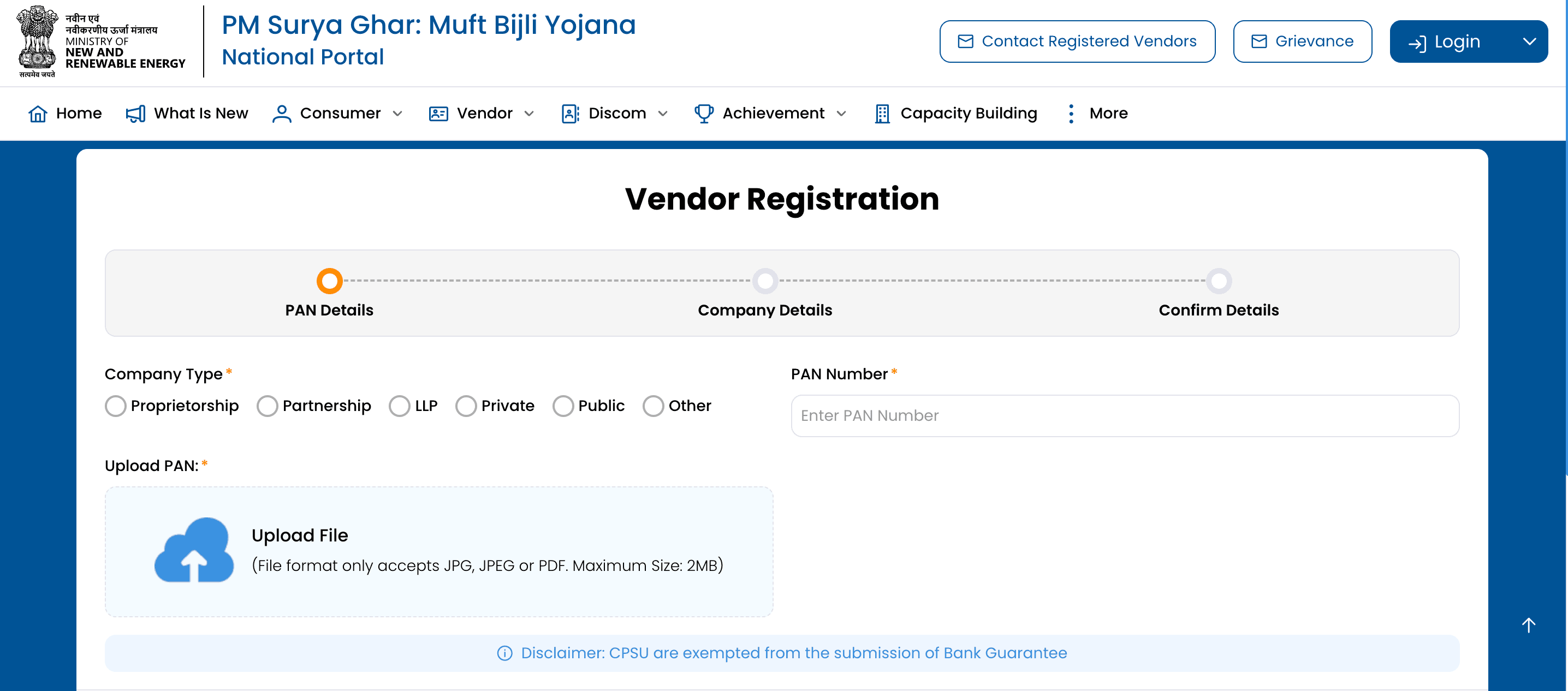
Upload your documents and system capacity preference (1 kW to 10 kW). The portal automatically forwards your request to the local DISCOM.
DISCOM checks:
Available rooftop space and sun exposure
Existing electrical load and sanctioned capacity
Grid connectivity and net metering feasibility
Approval timeline: 7 to 15 working days.
The portal provides a list of MNRE-empaneled solar installers in your area. Compare quotations from at least 3 vendors.
What to verify:
MNRE registration certificate
Warranty terms (minimum 5 years on inverters, 25 years on panels)
Past installation portfolio
After-sales service coverage
Meet our certified solar experts with 9+ years of EPC experience.
Once you select a vendor, installation takes 3 to 7 days depending on system size.
Post-installation:
Vendor uploads installation photos and completion certificate
DISCOM engineer conducts physical inspection within 10 days
Net metering connection is activated after approval
After successful inspection, the subsidy is directly transferred to your bank account within 30 to 45 days.
Important: The subsidy is released in tranches. First 30% after feasibility approval, remaining 70% after final inspection.
Casa Amorina, Surat (30 kW Installation):
This 60-flat housing society installed a 30 kW rooftop system in 2024 through Earthwave Solar.
Results after 18 months:
Monthly electricity bill reduced from ₹1,85,000 to ₹82,000 (55% reduction)
Annual savings: ₹12,36,000
Maintenance charge cut by ₹1,500 per flat monthly
System paid back in 4.2 years
Projected 25-year savings: ₹2.8 crores
Most housing societies require committee approval before solar installation.
Key requirements:
Present cost-benefit analysis to the committee
Show savings projections and payback period
Take a simple majority vote in the general body meeting
Typical approval timeline: 30 to 60 days.
Your solar installer handles most regulatory paperwork, but you should understand the requirements.
Required approvals:
DISCOM feasibility approval:
Confirms grid connectivity for net metering
Municipal NOC:
Required only if structural modifications are needed
Fire safety clearance:
For societies above 15 meters height
Society NOC:
Internal approval from RWA committee
For larger society installations (above 50 kW), consider our commercial solar solutions.x
Earthwave Solar has successfully completed 100+ residential and commercial solar projects across Gujarat, Maharashtra, and Madhya Pradesh since 2018.
Specialized services:
Rooftop solar systems: 5 kW to 100 kW capacity for housing societies
: 97% efficiency with smart monitoring via mobile app
VNM solutions:
Complete setup including DISCOM coordination and bill allocation
Balcony solar kits:
Ready-to-install systems for individual flat owners
What Earthwave handles:
Free site visit and feasibility assessment
Detailed system design with transparent pricing
All documentation including subsidy application and DISCOM approvals
Professional installation by certified technicians in 3 to 7 days
10-year warranty on Wave inverters, 25 years on solar panels
Real-time monitoring support and annual maintenance
Completed apartment projects:
Casa Amorina (30 kW with VNM setup)
Shivdhara Skylight (80 kW multi-building installation)
Customer satisfaction: 95% of our housing society clients report achieving projected savings within the first year.
Office locations:
Gujarat:
Surat (head office near Bapasitaram Chowk, Yoginagar)
Madhya Pradesh:
Bhopal (Durga Tower, near Reliance Smart Bazar, Rohit Nagar)
Service areas: Surat, Ahmedabad, Vadodara, Rajkot, Bhopal, Indore, and surrounding districts.
Yes, if you use a balcony solar kit (100W to 800W capacity) mounted on your personal balcony or window. These plug-and-play systems do not require society approval. However, rooftop installations or VNM systems need RWA committee approval as they involve common property.
The PM Surya Ghar subsidy is disbursed within 30 to 45 days after successful DISCOM inspection. The payment is made directly to your bank account in two tranches: 30% after feasibility approval and 70% after final installation verification.
With net metering, excess electricity is automatically fed back to the grid. The DISCOM credits your account at ₹3 to ₹5 per unit. These credits remain valid for one billing cycle and offset your nighttime consumption when solar panels are not generating.
Yes, modern solar systems handle partial shading effectively. Earthwave uses microinverters or DC optimizers that allow each panel to operate independently. Even if 30% to 40% of your terrace has shade, the remaining area can generate significant power for common areas.
Absolutely. If your housing society has installed rooftop solar for common areas, every resident benefits through reduced maintenance charges regardless of ownership status. With VNM systems, you can even invest individually and receive direct credits on your personal electricity bill.
Earthwave Solar makes apartment solar installation simple with end-to-end support from subsidy applications to final installation.
Get your free feasibility assessment:
Call:
+91 90336 07212 (Gujarat) | +91 90336 02156 (Madhya Pradesh)
Email:
Visit:
Start reducing your maintenance charges by 30% to 40% today.
FAQS
Can't find the answer you're looking for? Our team is here to help.
SUBSCRIBE NEWSLETTER
Switching to solar is easier than you think. Let us guide you to cleaner, more affordable energy.
