Solar Panels in Cloudy Days
Do Solar Panels Work on Cloudy Days? India Data
2026-02-23T00:00:00.000Z•8
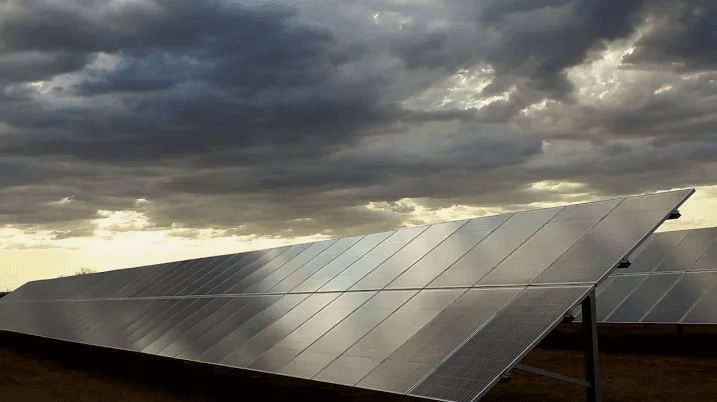
Yes, solar panels work on cloudy days, producing 10-25% of their rated capacity during heavy overcast and 50-80% during partly cloudy conditions. Indian homeowners can expect reliable solar generation year-round, even during monsoon season.
Solar panels generate electricity on cloudy days through diffuse sunlight, typically producing 50-80% output during light clouds and 10-25% during heavy overcast
Gujarat's Santalpur region saw only a 9.13% decline during peak monsoon months, while Madhya Pradesh's Badod recorded a 19.1% drop
Monsoon season brings cooler temperatures that improve panel efficiency by 2-5%, partially offsetting reduced sunlight
Modern solar systems with smart monitoring help homeowners track real-time performance even during cloudy weather
Proper system design and high-efficiency panels maximize energy production regardless of weather conditions
Solar panels capture both direct and diffuse sunlight to produce electricity. While sunny days deliver peak output, cloudy conditions don't stop energy generation completely.
Diffuse light occurs when sunlight scatters through cloud particles, creating indirect radiation that still reaches your solar panels.
This scattered light contains enough energy to activate photovoltaic cells and generate usable power.
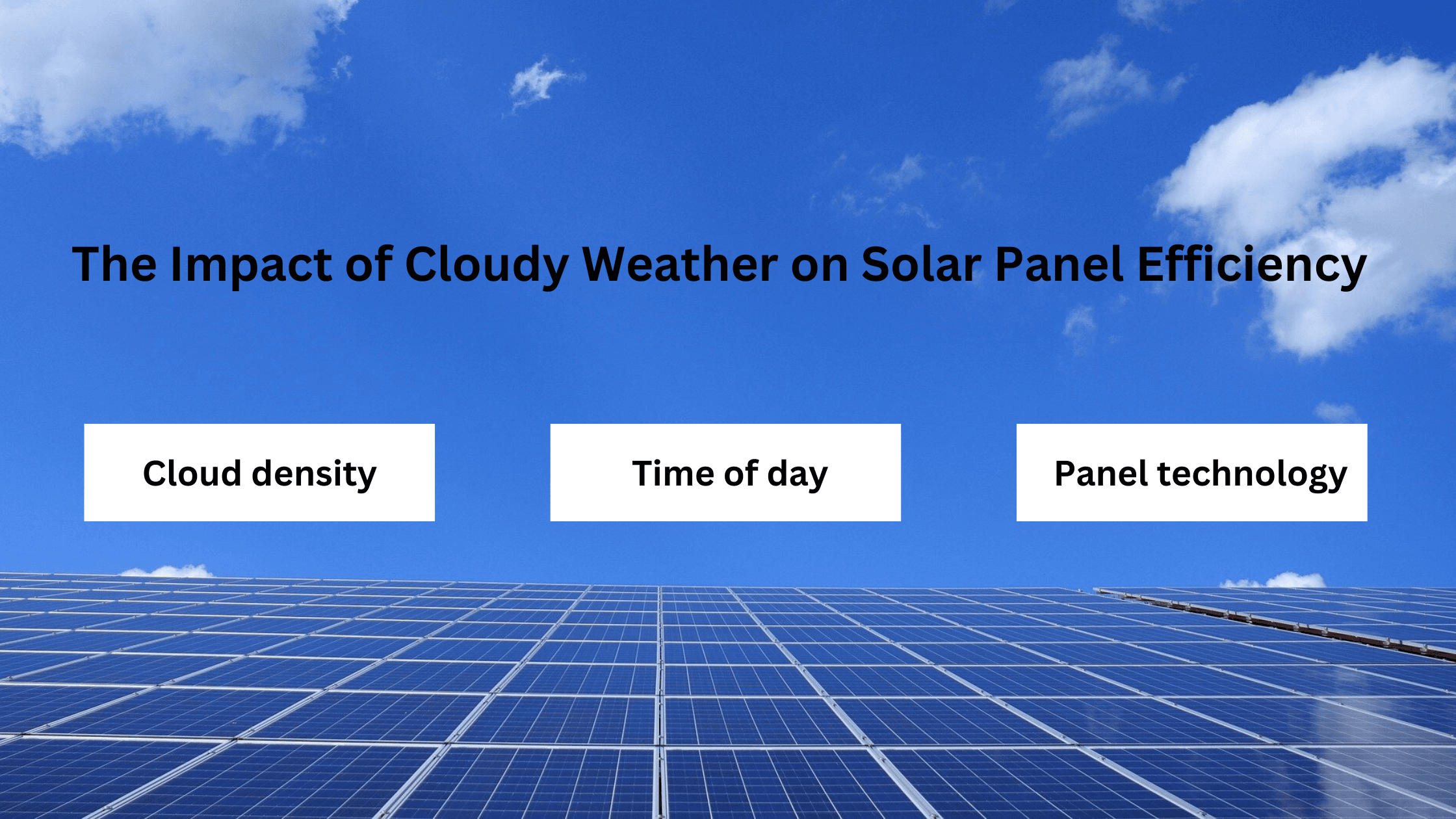
Photovoltaic cells respond to the visible light spectrum, which penetrates cloud cover effectively. The thickness and type of clouds determine how much light reaches your panels.
Cloud cover impact on generation:
Thin, high-altitude clouds: 10% efficiency reduction
Moderate overcast: 30-50% output reduction
Heavy storm clouds: up to 50% capacity drop
Geographic location plays a significant role in cloudy day performance. Areas receiving strong diffused sunlight maintain steadier energy production throughout the year.
Gujarat's solar installations demonstrate impressive resilience during monsoon season.
Santalpur recorded only a 9.13% decline in cumulative generation during September and October 2025 compared to long-term averages.
This minimal drop occurred primarily in the last week of October, showing that Gujarat's solar infrastructure maintains strong performance even during challenging weather.
A representative 100 MW solar site at Badod in Madhya Pradesh experienced a 19.1% drop in cumulative generation during monsoon months.
The northwest and central regions saw increased cloud cover and rainfall that suppressed solar irradiance.
Despite this seasonal variation, annual generation remains economically viable for residential and commercial installations.
India's 2025 monsoon created a 15% decrease in solar irradiance compared to long-term averages. However, regional variations show dramatic differences in actual impact.
State-wise monsoon performance:
Assam (Guwahati): 4.54% increase in generation due to drier conditions
Gujarat (Santalpur): 9.13% decline, mostly late October
Madhya Pradesh (Badod): 19.1% reduction during peak monsoon
Northeast India: 20% below-average rainfall improved solar output
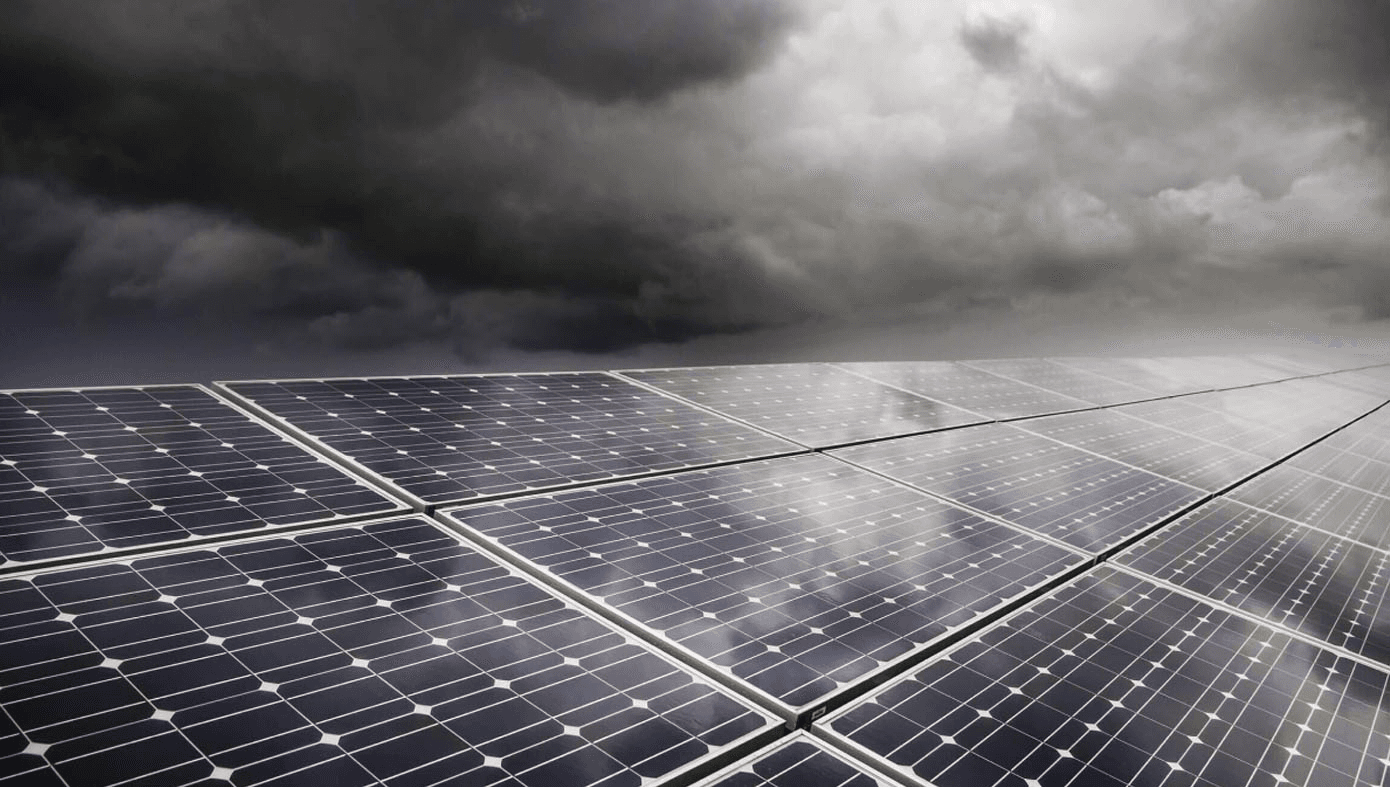
Modern monocrystalline solar panels maintain better efficiency during low-light conditions than older polycrystalline models.
High-efficiency modules rated for residential use deliver consistent output over 25 years, even during variable weather.
Panel quality directly impacts how effectively your system captures diffuse sunlight. Premium panels with anti-reflective coatings and optimized cell structures maximize energy absorption on cloudy days.
Proper system design determines whether your installation performs optimally during all weather conditions. Multi-MPPT (Maximum Power Point Tracking) inverters adjust to changing light levels throughout the day.
Critical design elements:
Optimal tilt angle: 26° for maximum power output in most Indian regions
Weather-resistant components with IP65 protection
Smart monitoring systems for real-time performance tracking
Grid-compliant inverters with 97% efficiency
Wave inverters with MPPT technology continuously optimize power extraction, delivering 96-97% efficiency even when sunlight fluctuates.
Cooler temperatures during monsoon season provide a surprising benefit. Solar panels lose 0.3-0.5% efficiency for every degree Celsius temperature increase.
Cloudy weather reduces panel temperatures, recovering 2-5% efficiency compared to hot summer months. This cooling effect partially compensates for reduced solar radiation during overcast conditions.
Midday provides the strongest solar generation, even on cloudy days. Solar panels positioned for optimal sun exposure throughout the day capture maximum available light regardless of cloud cover.
Morning and evening hours see greater performance drops during cloudy weather compared to midday generation.
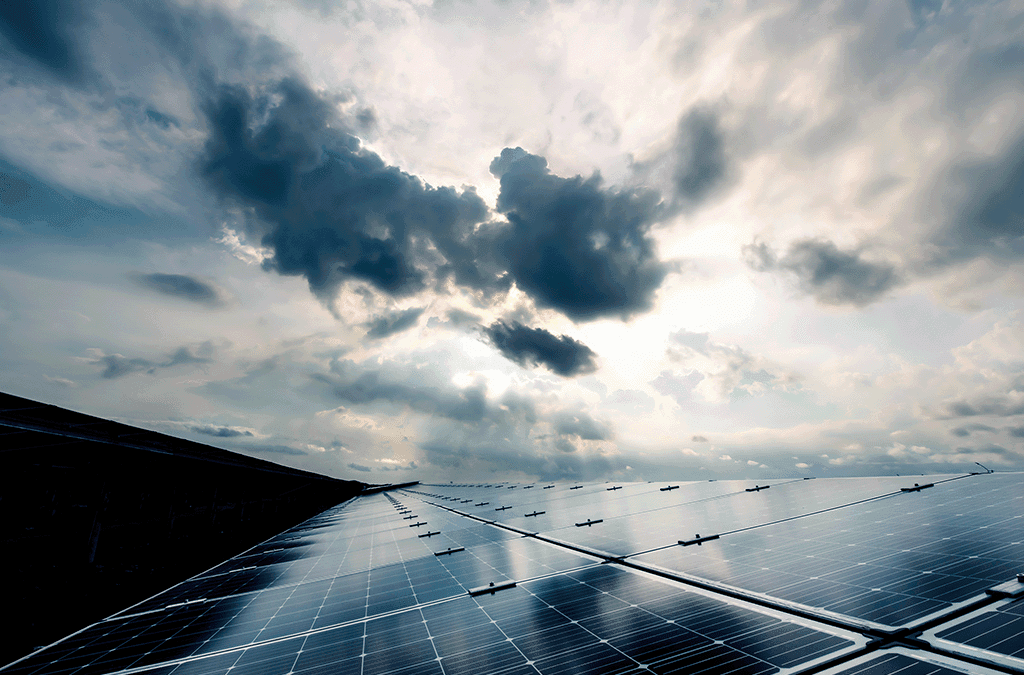
Light cloud cover or morning fog typically allows 50-70% of clear-sky output. Your solar system continues generating substantial electricity during these conditions.
Heavy overcast conditions reduce output to 10-25% of rated capacity. While generation drops significantly, panels still produce usable electricity throughout the day.
Solar panels occasionally experience temporary output boosts during partly cloudy conditions. This phenomenon occurs when sunlight refracts around cloud edges, intensifying radiation that hits the panels.
The edge-of-cloud effect can briefly increase generation above normal clear-sky levels. This unpredictable benefit demonstrates how solar systems adapt to dynamic weather conditions.
India's monsoon season brings sustained cloudy periods that affect solar generation. Homeowners should expect 10-20% reduced monthly output during peak monsoon months, varying by region.
Practical monsoon performance:
Clear sunny day: 90-100% rated output (1,800-2,000 kWh monthly for 500 kW system)
Partly cloudy: 50-70% output (1,000-1,400 kWh monthly)
Heavy overcast: 10-25% output (variable daily generation)
Annual generation remains profitable despite seasonal variations. Most residential systems achieve 3-4 year payback periods even accounting for monsoon impacts.
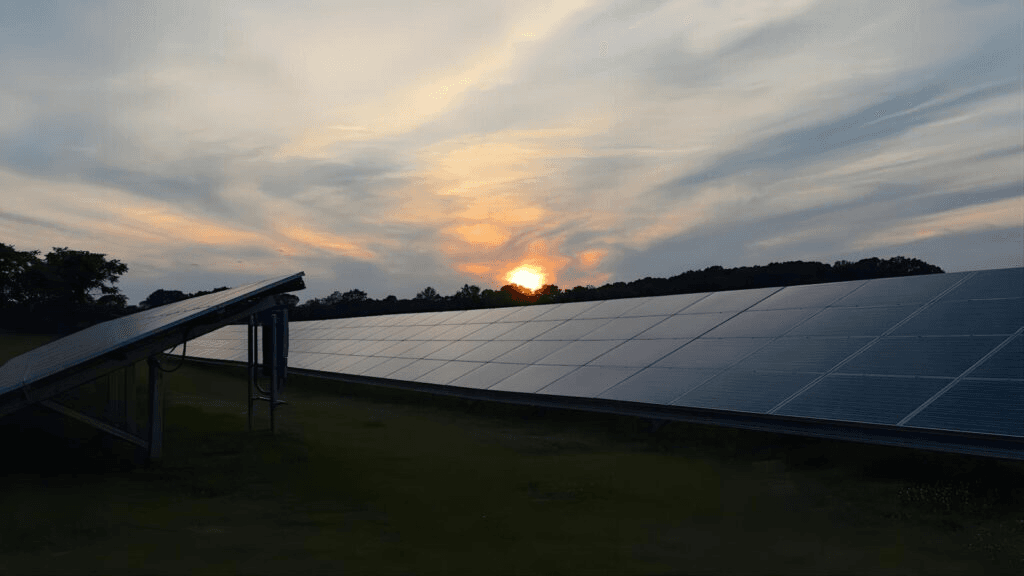
Premium solar panels and inverters significantly improve cloudy day performance. Monocrystalline panels with efficiency ratings above 20% capture more diffuse light than standard models.
Wave inverters delivering 97% conversion efficiency minimize power losses during variable weather conditions. These advanced inverters include transformer-less designs and smart optimization algorithms that adapt to changing light levels.
Smart monitoring systems track generation, consumption, and savings via smartphone apps. Real-time visibility helps homeowners understand actual performance during different weather conditions.
Monitoring capabilities:
Live power generation tracking
Daily and monthly energy analytics
Instant performance alerts
Remote diagnostics by installers
Professional installers can identify and resolve issues remotely, ensuring optimal performance regardless of weather.
Experienced EPC companies design systems accounting for regional weather patterns. Proper sizing ensures adequate annual generation despite seasonal variations in Gujarat, Maharashtra, and Rajasthan.
Site assessment evaluates roof strength, shading, orientation, and electrical infrastructure. Expert engineers design systems that maximize production during all weather conditions, not just sunny days.
Solar installations maintain strong financial returns despite monsoon season performance drops. A 5 kW residential system saves ₹15,000-₹25,000 annually even accounting for cloudy weather impacts.
Commercial installations typically reduce power expenses by 30-40% regardless of seasonal weather variations. The long-term financial benefits far outweigh short-term monsoon generation reductions.
Most homeowners recover their solar investment within 3-4 years, then enjoy free electricity for decades. This payback calculation already accounts for realistic weather patterns including monsoon season.
Manufacturing units spending ₹12 lakhs monthly save ₹7.2 lakhs per month with solar, generating ₹86.4 lakhs in annual savings. These substantial savings remain consistent year-round despite cloudy day performance variations.
The PM Surya Ghar scheme provides strong financial support for residential rooftop solar installations. Professional installers manage documentation and approvals, ensuring homeowners receive maximum subsidy benefits.
Government subsidies improve ROI significantly, shortening payback periods even in regions with extended monsoon seasons.
Solar systems operate reliably for 25+ years regardless of weather variability. Even regions experiencing extended monsoon periods generate substantial annual electricity production.
Energy independence protects homeowners from rising grid electricity costs. Solar provides predictable long-term energy expenses, unlike conventional electricity with unpredictable rate increases.
Installing solar panels increases property value while reducing your carbon footprint. A 1 MW system prevents approximately 1,350 tonnes of CO2 emissions annually.
Residential rooftop installations transform unused roof space into productive energy assets. The environmental benefits accumulate over decades, regardless of daily weather fluctuations.
Modern solar technology continues improving low-light performance. Recent innovations in cell design, anti-reflective coatings, and inverter technology maximize generation during all weather conditions.
Hybrid systems with battery storage allow homeowners to store excess solar power for nighttime use. This capability ensures energy availability even during extended cloudy periods.
Earthwave Solar has delivered complete EPC (Engineering, Procurement, Construction) solutions across India since 2018. With 120+ MW installed production capacity and 10,000+ satisfied clients, Earthwave specializes in residential, commercial, and industrial solar installations.
Residential rooftop systems
transform your roof into a reliable power generator, reducing electricity bills by up to 100% while increasing property value. Installation completes in just a few days with minimal disruption, and most homeowners recover their investment within 3-4 years.
Commercial and industrial solutions
cut operational costs for factories, warehouses, and commercial buildings by 30-40%. Real-time monitoring keeps businesses informed of production and savings, helping hundreds achieve energy independence.
Ground-mounted installations
provide flexible solar solutions for properties with limited roof space or shaded areas. These systems offer easier maintenance and expansion capabilities as energy needs grow.
Earthwave's proprietary Wave inverters deliver up to 97% efficiency, converting solar energy into reliable power for any setup from 2.5 kW to 125 kW. Each inverter includes:
10-year warranty for long-term peace of mind
Smart monitoring via smartphone for real-time performance tracking
IP65 weather protection for Indian climate conditions
Multi-MPPT tracking for optimal cloudy day performance
Earthwave handles everything from initial consultation through final handover with complete transparency. The proven process includes site assessment, custom system design, all documentation and subsidy claims, professional installation, and comprehensive guidance for maintenance and monitoring.
With offices in Gujarat (Surat) and Madhya Pradesh (Bhopal), Earthwave serves clients across multiple states. The experienced team ensures optimal system performance regardless of regional weather patterns.
Solar panels deliver reliable electricity generation throughout the year, including cloudy and monsoon days. Real India data proves that even regions experiencing extended monsoon periods achieve strong financial returns and energy independence.
Ready to reduce your electricity bills by up to 100%? Contact Earthwave Solar today for a free consultation and site assessment. Our certified engineers will evaluate your property, explain exactly what's possible, and provide transparent pricing with no hidden costs.
Transform your apartment or housing society into an energy-independent community with professional solar installation designed for Indian weather conditions.
Call +91 90336 07212 or visit www.earthwavetech.in to start your solar journey.
Solar panels don't produce electricity at night as they require light to generate power. However, net metering and solar battery systems allow homeowners to use excess electricity produced during the day for nighttime consumption, ensuring 24/7 energy availability.
Solar panels typically generate 50-80% of normal output during partly cloudy monsoon days and 10-25% during heavy overcast conditions. Real data from Gujarat shows only 9% decline during peak monsoon, while Madhya Pradesh experienced 19% reduction, proving solar remains financially viable year-round.
Yes, solar panels continue generating electricity during rainfall, producing approximately 5-10% of their maximum output. Modern panels feature IP65 weather protection that withstands rain, storms, and extreme weather conditions while maintaining long-term performance and durability.
Absolutely. Solar installations in cloudy regions deliver strong ROI with 3-4 year payback periods despite monsoon season. Advanced MPPT inverters, high-efficiency panels, and professional system design maximize generation during all weather conditions, ensuring substantial annual savings regardless of regional cloud cover.
Modern solar systems include smart monitoring via smartphone apps that provide live power generation visibility, daily and monthly energy analytics, and instant performance alerts. These monitoring systems help homeowners track real-time performance during different weather conditions and receive remote diagnostics from installers when needed.
FAQS
Can't find the answer you're looking for? Our team is here to help.
SUBSCRIBE NEWSLETTER
Switching to solar is easier than you think. Let us guide you to cleaner, more affordable energy.
