Rooftop Solar Policy in Gujarat
Which Rooftop Solar Policy Is Best in Gujarat 2026?
2026-02-24T00:00:00.000Z•8
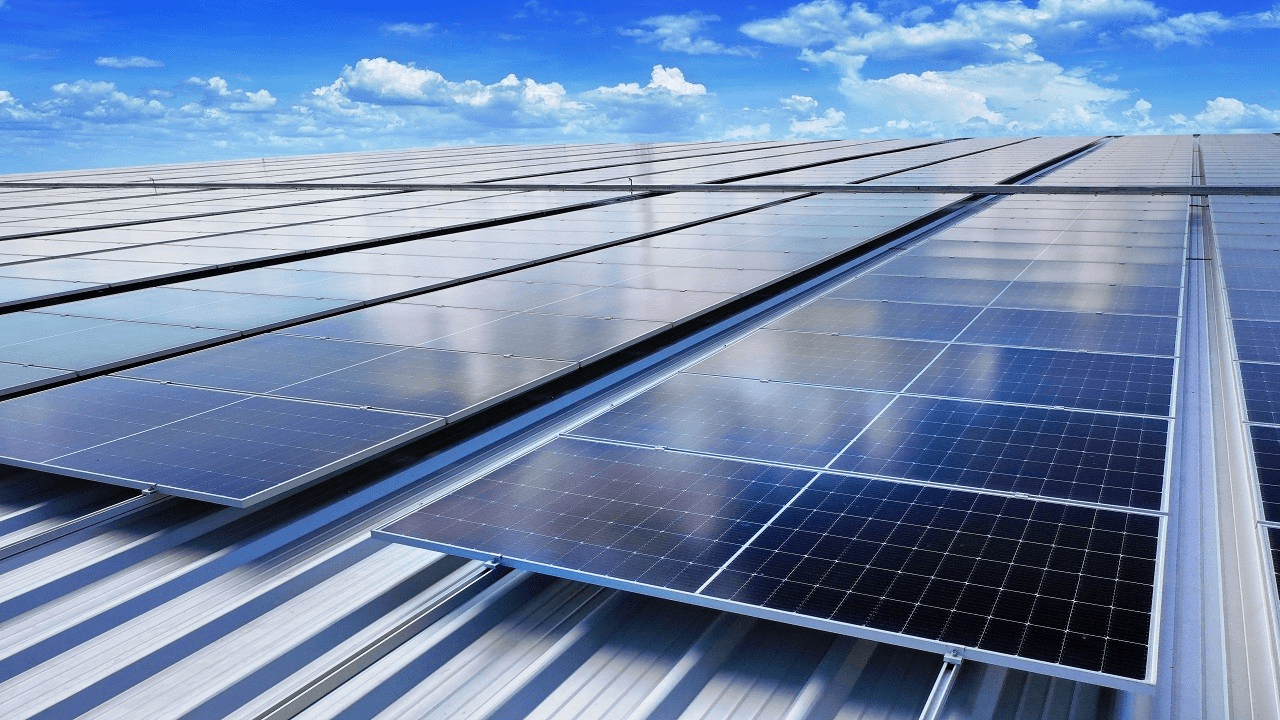
Gujarat offers India's most comprehensive rooftop solar policy in 2026, providing up to ₹78,000 in central subsidies plus additional state benefits through the PM Surya Ghar Muft Bijli Yojana scheme.
The state's simplified net metering regulations, 300+ sunny days annually, and streamlined approval process make it the top choice for residential solar adoption.
Gujarat homeowners can receive up to ₹78,000 in central MNRE subsidies for systems up to 3 kW capacity
Additional state subsidies from GEDA reduce installation costs further, bringing total support to ₹88,000 for 3 kW systems
Net metering regulations were simplified in November 2025, removing connectivity agreement requirements for PM Surya Ghar participants
Payback period ranges from 3 to 5 years with up to 100% electricity bill reduction
Application process is fully digitized through the National Rooftop Solar Portal with subsidy disbursement within 30 days
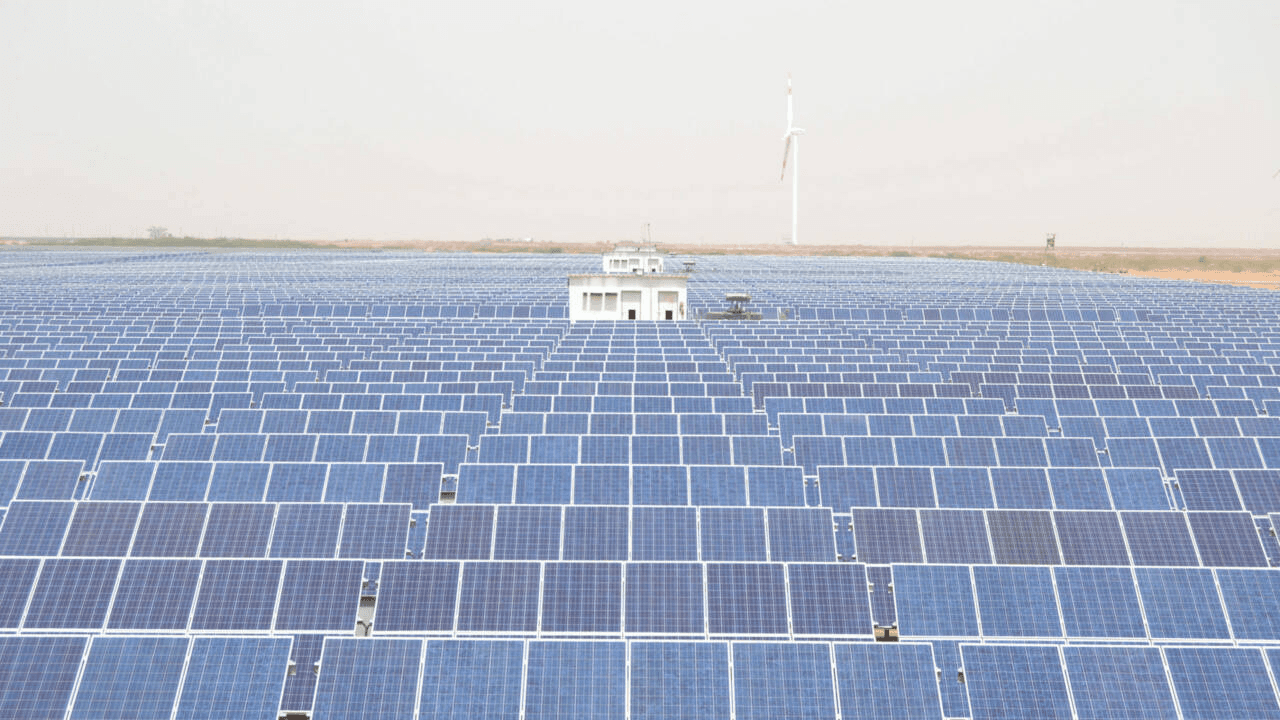
Gujarat has positioned itself as the undisputed leader in residential solar adoption. The state installed 3.36 lakh rooftop systems generating 1,232 MW, the highest capacity in India under the PM Surya Ghar scheme.
The state receives over 300 sunny days annually, making solar installations highly profitable. Your solar panels generate maximum output throughout the year, ensuring faster returns on investment.
Gujarat's government actively supports renewable energy through simplified policies and quick approvals. The Gujarat Electricity Regulatory Commission (GERC) continuously updates regulations to remove installation barriers.
The Ministry of New and Renewable Energy provides direct subsidies for residential installations:
Central Subsidy: ₹30,000
Post-Subsidy Cost: ₹40,000 to ₹50,000
Central Subsidy: ₹60,000
Post-Subsidy Cost: ₹82,500 to ₹1,02,500
Central Subsidy: ₹78,000
Post-Subsidy Cost: ₹1,02,000 to ₹1,32,000
Central Subsidy: ₹78,000 (fixed maximum)
Post-Subsidy Cost: ₹1,60,000 to ₹2,00,000
Central Subsidy: ₹78,000 (fixed maximum)
Post-Subsidy Cost: ₹2,27,000 to ₹2,67,000
The subsidy is capped at ₹78,000 for systems above 3 kW capacity. This structure encourages residential adoption while maintaining budget efficiency.
Gujarat Energy Development Agency (GEDA) provides supplementary subsidies:
1 kW systems: Additional ₹5,000
2 kW systems: Additional ₹7,500
3 kW systems: Additional ₹10,000
Systems above 3 kW: Up to ₹15,000 maximum
Combined central and state subsidies for a 3 kW system total ₹88,000. This dual benefit structure significantly reduces your upfront investment.
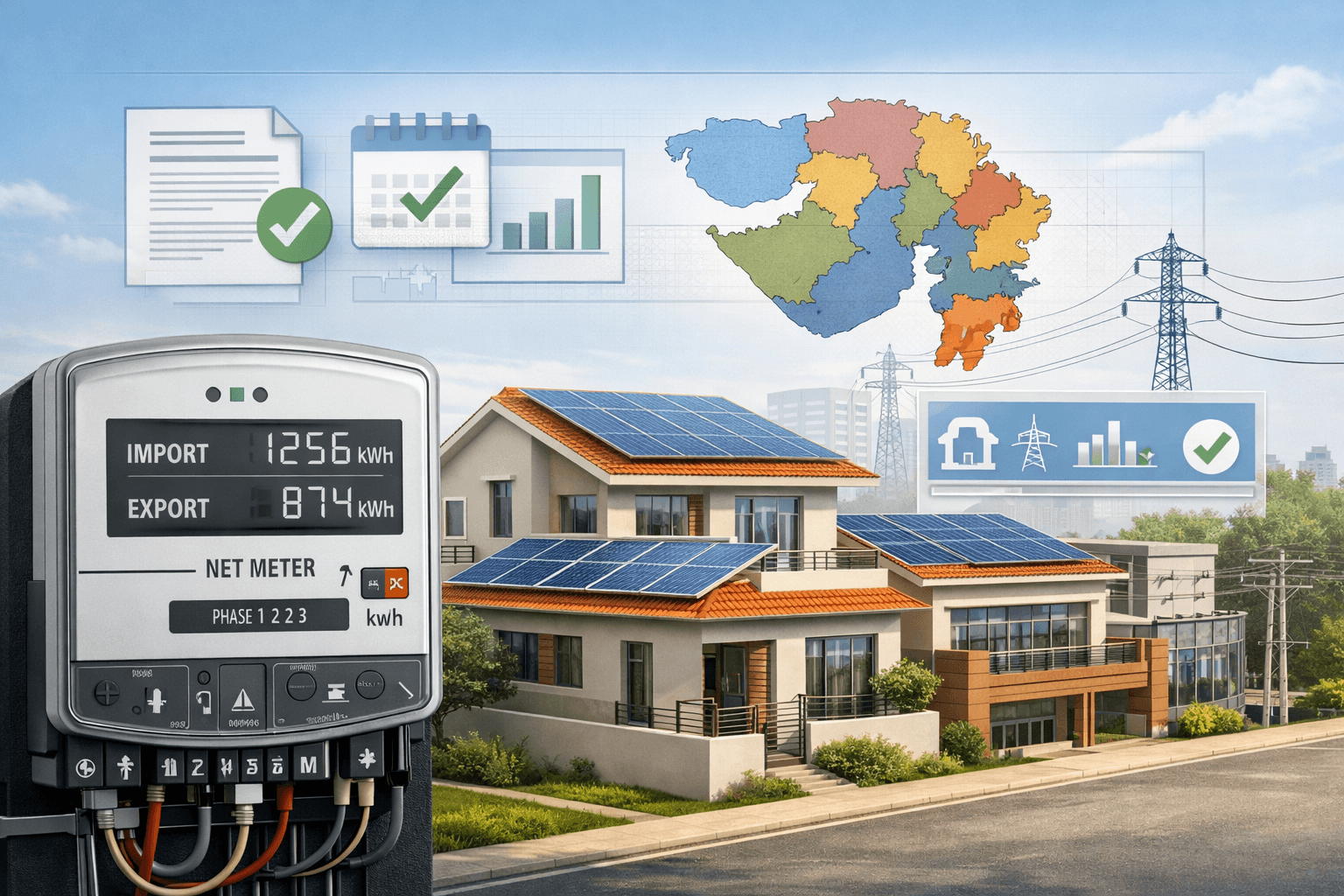
GERC approved the Fifth Amendment to Net Metering Regulations, effective November 4, 2025.
This amendment removes the requirement for separate written connectivity agreements for PM Surya Ghar participants.
Your system commissioning date now automatically becomes your agreement commencement date. This eliminates paperwork delays and accelerates installation timelines.
Gujarat now allows Low Tension (LT) connectivity up to 150 kVA/kW of contracted demand, increased from the previous 100 kVA/kW limit.
This expansion benefits larger residential installations and small commercial properties.
The bi-directional meter tracks both electricity consumption from the grid and surplus power exported to it.
When your system generates more than you consume, DISCOMs credit you for the exported units.
All four Gujarat DISCOMs (Dakshin Gujarat Vij Company Limited, Madhya Gujarat Vij Company Limited, Paschim Gujarat Vij Company Limited, and Uttar Gujarat Vij Company Limited) follow uniform net metering policies.
This standardization ensures consistent application procedures regardless of your location within Gujarat. You experience the same approval timelines whether you live in Surat, Ahmedabad, Rajkot, or Vadodara.
You qualify for subsidies if you meet these requirements:
Indian citizenship with valid identity proof
Ownership of residential property with suitable rooftop space
Active electricity connection from recognized DISCOM
No previous subsidy claim for rooftop solar up to 3 kW capacity
Housing societies and Resident Welfare Associations can also apply for common area installations up to 500 kWp at ₹78,000 per 10 kWp per house.
Your installation must use DCR (Domestic Content Requirement) certified Made-in-India solar panels. This mandate supports domestic manufacturing while ensuring quality standards.
You must select a GEDA-approved and MNRE-empaneled solar EPC vendor. Working with approved installers guarantees subsidy eligibility and professional installation standards.
Prepare these documents before applying:
Aadhaar Card for identity verification
Latest electricity bill showing consumer number
Bank passbook copy for direct subsidy transfer
Recent passport-size photograph
Property ownership documents or tax receipts
DISCOM net meter application acknowledgment
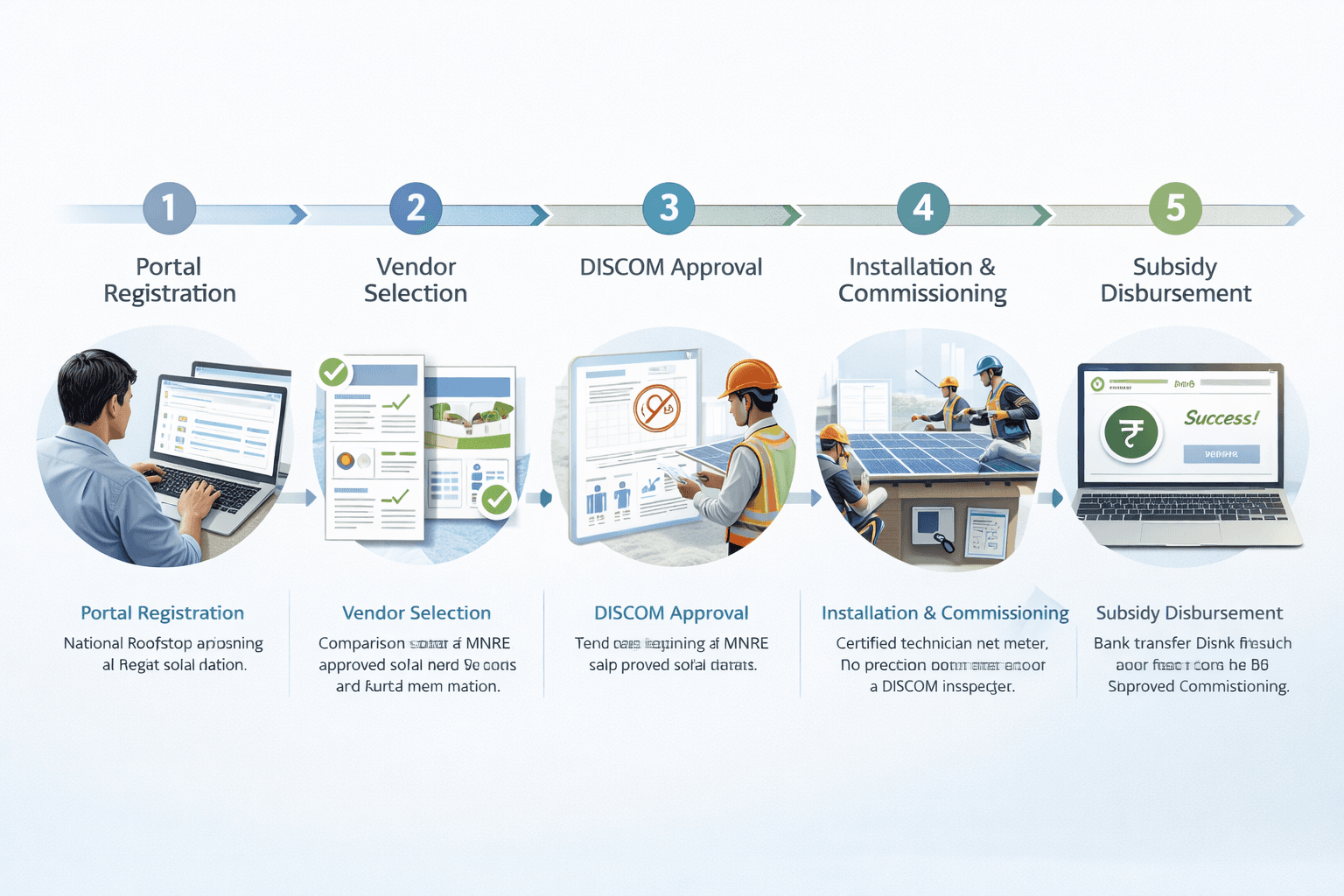
Visit the National Portal for Rooftop Solar and create your account. Enter your consumer number, property details, and contact information.
Upload all required documents in specified formats. Ensure clear, readable scans to avoid application rejection.
Choose from MNRE-approved solar installers listed on the portal. Compare quotations, panel specifications, and warranty terms before finalizing.
Request site assessments from multiple vendors to understand your roof's solar potential. Verify vendor credentials and past project portfolios.
Your selected vendor submits technical details and system design to your local DISCOM. The DISCOM conducts feasibility studies and approves connectivity.
Approval timelines typically range from 15 to 30 days depending on application completeness. Ensure all technical specifications meet DISCOM requirements to avoid delays.
Certified technicians install your system following approved designs. Installation for residential systems completes within 3 to 7 days.
DISCOM officials conduct final inspection after installation. They verify system capacity, safety standards, and meter installation before commissioning.
Upon successful inspection, subsidies transfer directly to your bank account via Direct Benefit Transfer (DBT). Disbursement typically occurs within 30 days of commissioning.
You receive confirmation messages and can track subsidy status through the portal. This transparent process eliminates intermediary involvement.
Most Gujarat homeowners recover their solar investment within 3 to 4 years after subsidies. This calculation factors in average electricity rates of ₹6 to ₹8 per unit.
Your system continues generating free electricity for 25 years, the standard panel warranty period. This translates to two decades of zero electricity costs after payback completion.
A 3 kW system generates approximately 12 to 15 units daily in Gujarat's climate. This equals 360 to 450 units monthly, covering typical household consumption.
At current DISCOM rates, this saves ₹2,160 to ₹3,600 monthly on electricity bills. Annual savings range from ₹25,920 to ₹43,200, accumulating to significant amounts over 25 years.
While commercial entities don't receive direct subsidies, they benefit from 40% accelerated depreciation. This tax benefit significantly improves project economics for businesses.
Net metering allows commercial installations up to 1 MW capacity to offset operational energy costs.
Earthwave Solar has established itself as a trusted EPC provider across Gujarat since 2018.
With over 60 MWp portfolio across India and
successful ground mount installations like the 80 MW project for Mahindra Sustain, Earthwave brings institutional-grade expertise to residential installations.
Earthwave handles all paperwork, subsidy claims, DISCOM updates, and approvals. Their experts ensure every document is filed correctly, eliminating complications and approval delays.
You receive upfront subsidy benefits in your project cost itself, avoiding cash flow concerns. This hassle-free approach removes bureaucratic stress from your solar journey.
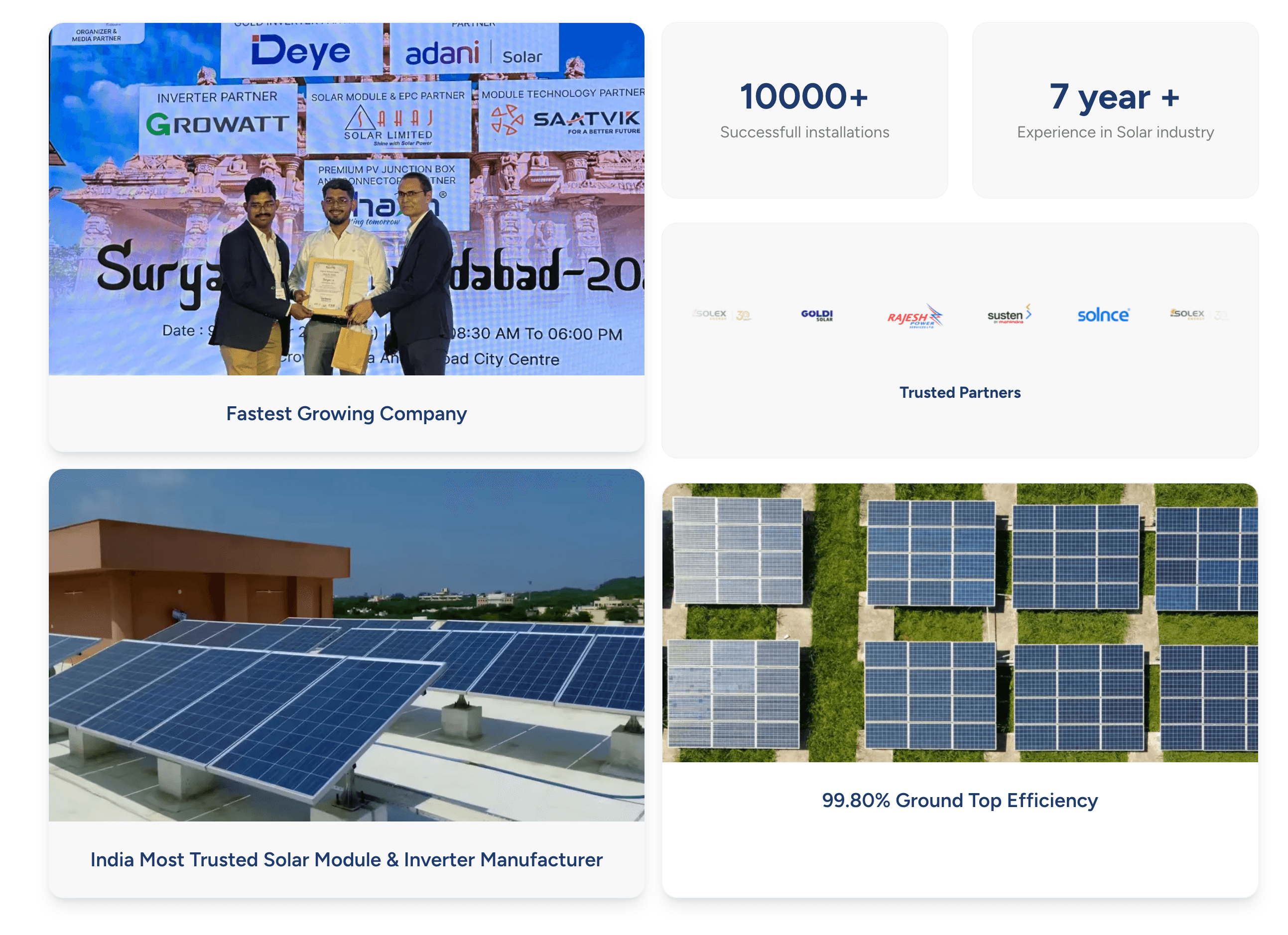
Earthwave uses Made-in-India DCR-certified panels meeting MNRE specifications. Their installations feature Wave Inverters with up to 97% efficiency, backed by 10-year warranties.
Solar panels carry 25-year performance warranties, ensuring long-term generation reliability. The company provides 5-year free maintenance, guaranteeing optimal system performance.
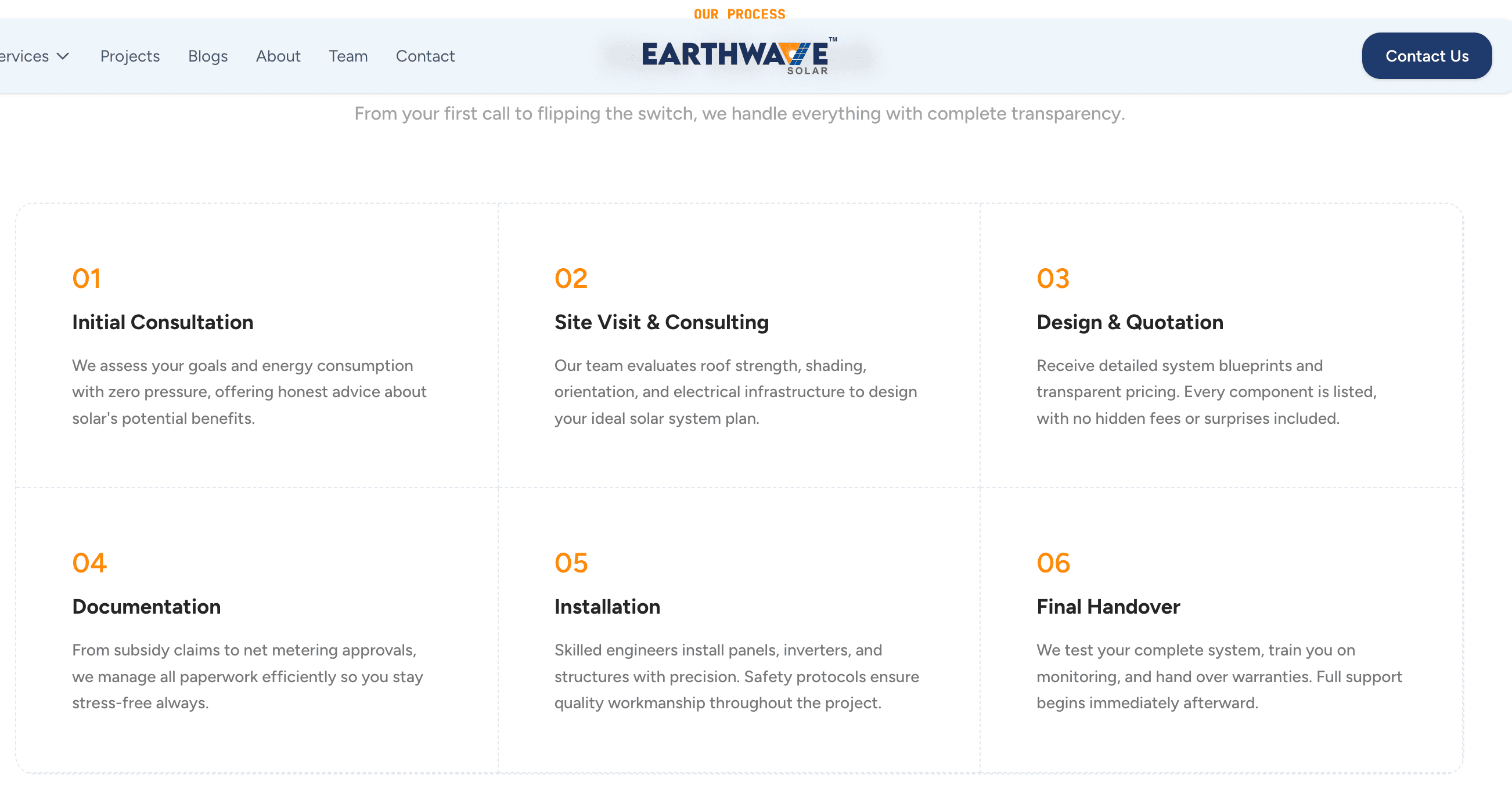
Earthwave's team discusses your energy needs without sales pressure. They provide honest guidance on whether solar suits your specific situation.
Experts inspect your roof condition, sun exposure, and electrical setup. They explain feasible options and recommend solutions based on your actual requirements.
You receive comprehensive system design showing exact installation layout. Quotations include all components with transparent pricing and zero hidden costs.
Their specialists manage all approvals, subsidy applications, and DISCOM coordination. This ensures smooth processing without delays or rejections.
Certified technicians execute installations with precision engineering. They complete residential systems within days with minimal disruption to your daily routine.
Technical engineers conduct thorough system checks and explain operations. You receive complete guidance on monitoring, maintenance, and performance optimization.
Earthwave operates from Surat with dedicated Gujarat operations. Their local presence ensures quick response times for service requests and maintenance needs.
The company maintains partnerships with major Gujarat entities including DGVCL, Torrent Power, and leading solar manufacturers. These relationships facilitate smooth DISCOM approvals and quality component supply.
Gujarat's 2026 rooftop solar policy offers the perfect opportunity to transition to clean energy while maximizing financial benefits. The combination of generous subsidies, simplified approvals, and excellent solar irradiation makes this the ideal time for installation.
Earthwave Solar's comprehensive EPC services remove all complexities from your solar journey. Their proven expertise in Gujarat, transparent processes, and complete subsidy assistance ensure a smooth transition to energy independence.
Contact Earthwave Solar today for a free site assessment and detailed quotation. Their team will guide you through every step, from subsidy application to system commissioning, making your solar installation completely hassle-free.
Ready to reduce your electricity bills to zero?
📞 Call: +91 90336 07212
📧 Email: info@earthwavetech.in
🌐 Visit: www.earthwavetech.in
Homeowners receive up to ₹78,000 from central MNRE for systems up to 3 kW capacity. Additional GEDA state subsidies of up to ₹10,000 for 3 kW systems bring total benefits to ₹88,000. Systems above 3 kW receive the same maximum ₹78,000 central subsidy.
The complete process from application to subsidy disbursement typically takes 30 to 45 days. This includes DISCOM approval (15 to 30 days), installation and inspection (7 to 10 days), and DBT transfer (within 30 days of commissioning). Working with GEDA-approved vendors like Earthwave Solar accelerates approvals.
Individual apartment owners can apply if they have dedicated rooftop access and separate electricity meters. Housing societies can install systems for common areas up to 500 kWp, receiving ₹78,000 per 10 kWp per house. Resident Welfare Associations coordinate applications for shared installations.
Gujarat's net metering policy credits you for surplus electricity exported to the grid. Your bi-directional meter tracks both consumption and generation. Excess units get adjusted against future consumption, reducing your overall electricity costs. DISCOMs settle net balances as per tariff regulations.
Commercial and industrial entities don't receive direct subsidies under the PM Surya Ghar scheme. However, they benefit from 40% accelerated depreciation for tax purposes. Commercial installations also access net metering up to 1 MW capacity and custom Power Purchase Agreements, making solar economically viable.
FAQS
Can't find the answer you're looking for? Our team is here to help.
SUBSCRIBE NEWSLETTER
Switching to solar is easier than you think. Let us guide you to cleaner, more affordable energy.
