Solar Panels for Home
Solar Panels for Home in India: 2026 Subsidy Guide
2026-02-25T00:00:00.000Z•8
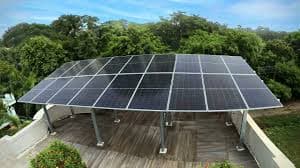
Getting solar panels for your home in India involves choosing a system size based on your electricity consumption, applying for the PM Surya Ghar Yojana subsidy (offering up to ₹78,000).
Selecting a certified EPC installer, and completing net metering registration with your local DISCOM. The entire process takes 30-45 days from application to activation.
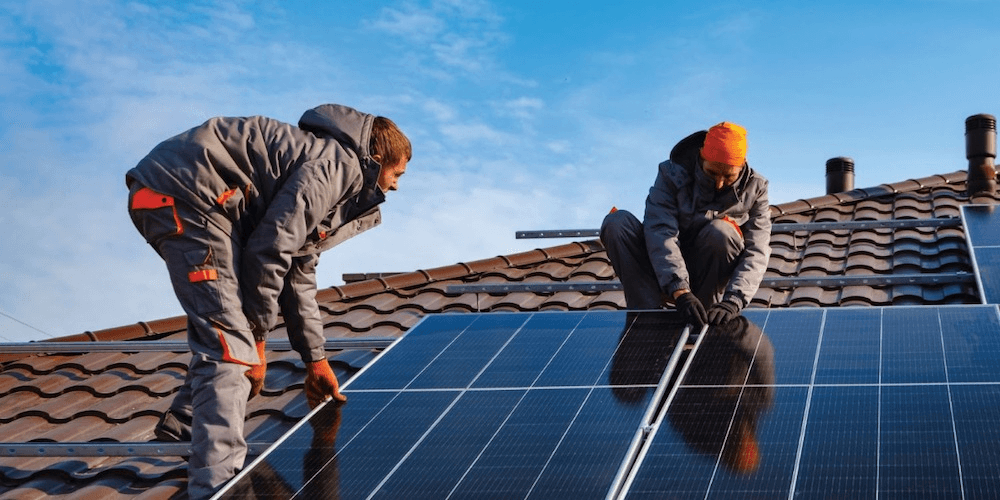
System Size
: Most Indian homes need 3kW to 5kW systems based on monthly electricity bills
Government Subsidy
: Central subsidy of ₹30,000 (1kW) to ₹78,000 (3kW+) under PM Surya Ghar Yojana 2026
Total Investment
: ₹1.12-1.97 lakhs after subsidy with 2.5-3 year payback period
Installation Timeline
: 30-45 days including approvals, installation, and net metering
Savings
: Reduce electricity bills by 70-100% with 3-4% property value increase
Simple calculation method:
Check your last 6 months' average electricity consumption
Divide monthly units by 30 for daily average
Multiply by 1.25 to account for efficiency losses
Common configurations:
Monthly Bill | Units Consumed | System Size | Rooftop Space Needed |
₹1,500-3,000 | 100-200 units | 1-2 kW | 100-200 sq ft |
₹3,000-5,000 | 200-350 units | 3 kW | 300 sq ft |
₹5,000-8,000 | 350-600 units | 5 kW | 500 sq ft |
₹10,000+ | 600+ units | 10 kW | 1,000 sq ft |
Pro tip: Always size up by 10-15% to accommodate future consumption growth.
Essential requirements:
Building age under 30 years with strong foundation
Rooftop can support 15-18 kg per square meter additional load
South or west-facing orientation (east is acceptable)
Minimal shade between 9 AM to 4 PM from buildings, trees, or water tanks
Roof compatibility: RCC flat roofs work best. Sloped tiles, asbestos sheets (needs reinforcement check), and metal roofs (requires special anchoring) are also feasible with proper mounting.
Eligibility checklist:
Indian citizen owning residential property
Independent house or apartment with dedicated rooftop access
Electricity connection in your name
One-time benefit per household
Minimum 1 kW system with Make in India certified modules
MNRE-approved installer required
2026 subsidy rates:
1 kW
: ₹30,000 (covers ~40% of cost)
2 kW
: ₹60,000 (covers ~35% of cost)
3 kW and above
: ₹78,000 flat (covers ~25-30% of cost)
Real example - 3 kW system:
Total system cost: ₹1,90,000
Central subsidy: ₹78,000
Your investment: ₹1,12,000
Monthly savings: ₹3,800 (at ₹8/unit tariff)
Payback period: 29 months (under 2.5 years)
Regional bonuses:
Gujarat (DGVCL/UGVCL)
: Expedited approval in 7-14 days, net metering simplified for systems under 10 kW
Madhya Pradesh
: Single-window clearance system, subsidy processing within 45-60 days
Karnataka
: Additional ₹10,000 state subsidy for installations above 5 kW
Registration in 10 minutes:
Visit official PM Surya Ghar portal:
Register with Aadhaar and electricity consumer ID
Verify mobile via OTP
Enter property type, rooftop area, monthly consumption
Download acknowledgment number for tracking
Documents needed: Aadhaar card, latest electricity bill, property ownership proof, bank account details.
Result: Instant registration with 24-hour acknowledgment email.
Verify MNRE certification: Check official vendor list at mnre.gov.in/solar/empanelled-channel-partners
3 critical questions to ask:
What inverter brand and efficiency rating? (Demand 97%+ efficiency)
Complete warranty terms? (Panels: 25 years performance, Inverters: 10 years replacement)
Who handles DISCOM paperwork? (Installer should manage 100% of approvals)
How to compare 3-4 quotes:
Comparison Factor | Vendor A | Vendor B | Vendor C |
Price per watt (₹/W) | ₹50 | ₹48 | ₹52 |
Panel brand & efficiency | Tier-1, 21% | Tier-2, 19% | Tier-1, 22% |
Inverter brand & warranty | Brand X, 10yr | Brand Y, 5yr | Brand Z, 10yr |
Local service center | Yes | No | Yes |
Customer references | 3 provided | None | 5 provided |
Payment terms | 30-60-10% | 100% upfront | 20-60-20% |
Payment structure (safe approach):
30% advance
after agreement signing and site survey
60% on installation
completion before DISCOM inspection
10% final payment
after net meter installation OR subsidy receipt
Red flags to avoid: 100% upfront payment, no physical office, cannot provide customer phone numbers, unclear about subsidy timeline.
Technical assessment includes:
Rooftop structural load capacity test
Shadow analysis using specialized equipment
Inverter placement planning (preferably indoors or covered area)
Electrical panel compatibility check
You receive detailed proposal:
CAD drawing with exact panel layout
Component specifications (panel wattage, inverter model, cable gauge)
Month-wise generation estimates for your location
25-year ROI projection with maintenance costs
What if rooftop fails survey? Ask about ground-mounted systems (if you have unused land) or explore community solar options with neighbors for shared rooftop installations.
Your installer submits net metering application to local electricity distribution company.
State-wise approval timelines:
Gujarat (DGVCL/UGVCL)
: 7-14 days | Average electricity tariff: ₹7.5-8.5/unit
Madhya Pradesh (MPCZ)
: 10-20 days | Average tariff: ₹7-8/unit
Maharashtra (MSEDCL)
: 15-25 days | Average tariff: ₹8-10/unit
Karnataka (BESCOM)
: 10-15 days | Average tariff: ₹8.5-9.5/unit
What if DISCOM rejects application?
Most common reason:
Grid capacity full in your area
Solution:
Request queue position or explore off-grid hybrid system with battery backup
Alternative:
Some states allow solar without net metering (export limitation mode)
7-day installation breakdown:
Days 1-2: Mounting structure installation + complete rooftop waterproofing
Days 3-4: Solar panel mounting + DC wiring + lightning protection
Days 5-6: Inverter setup + AC wiring + main board integration
Day 7: System testing + DISCOM inspection + monitoring app activation
Quality checkpoints:
All roof penetrations sealed with weatherproof sealant
Cable routing through UV-resistant conduits
Proper earthing with resistance below 5 ohms
Surge protection devices installed
DISCOM installs bidirectional meter that tracks:
Import
: Electricity consumed from grid (units you buy)
Export
: Excess solar sent to grid (units you sell)
Net billing
: Monthly bill = Import units minus Export units
Credit rollover
: Unused export credits valid for 12 months
Post-installation documents:
Commissioning certificate from installer
Net metering agreement from DISCOM
Equipment warranties (panels, inverter, structure)
Mobile app credentials for real-time monitoring
4-step claim process:
Installer uploads commissioning report + photos on PM Surya Ghar portal (within 7 days)
Submit net meter installation certificate from DISCOM
DISCOM conducts physical verification (within 15 days)
Subsidy directly credited to your registered bank account
Timeline: 30-60 days after successful verification.
Payment tip: Structure final 10% payment AFTER subsidy receipt OR get written guarantee from installer for subsidy processing.
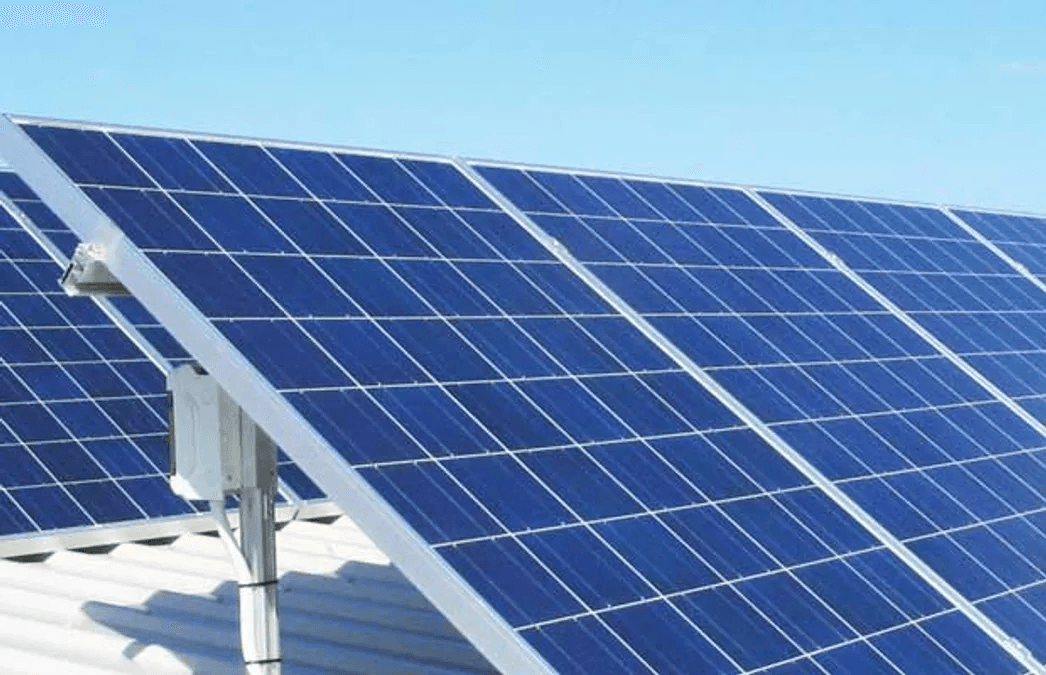
Component-wise costs:
Monocrystalline solar panels (6 x 550W): ₹90,000
On-grid inverter (3.3 kW, 97% efficiency): ₹45,000
Galvanized mounting structure + installation: ₹40,000
Net metering setup + approvals: ₹15,000
Total: ₹1,90,000
After ₹78,000 subsidy: ₹1,12,000
Financial returns:
Monthly generation: 360-450 units (depending on location)
Monthly savings: ₹3,800
Payback: 29 months
25-year savings: ₹11.4 lakhs
Total cost: ₹2,75,000
After subsidy: ₹1,97,000
Monthly generation: 600-750 units
Monthly savings: ₹5,500-7,000
Year 1:
Annual maintenance contract: ₹2,000-3,000
System insurance (optional): ₹3,000-5,000
Years 2-10:
Quarterly cleaning: ₹500 per session
Annual health checkup: ₹2,000
Year 10+:
Inverter replacement: ₹40,000-50,000 (one-time after 10-12 years)
1. Undersized system selection: Don't install 2 kW to save money if your consumption needs 3 kW. You'll lose net metering benefits and regret within 12 months as consumption grows.
2. Cheap inverter choice: Inverter is the system's heart. Unknown brands fail within 2-3 years. Stick to established brands with minimum 97% efficiency and 10-year comprehensive warranty.
3. Skipping vendor verification: Always visit their physical office, call 3-5 previous customers, and verify MNRE empanelment before signing agreement.
4. Delayed subsidy application: Some states have quarterly cutoff dates. Apply immediately after commissioning to avoid subsidy lapse.
5. No performance monitoring: Install systems with mobile app tracking. Daily monitoring helps identify 15-20% generation drops early before impacting long-term returns.
Problem: DISCOM approval delayed beyond promised timeline
Solution: File complaint on state electricity regulatory commission portal with application acknowledgment number.
Problem: Rooftop has partial shade from water tank
Solution: Use microinverters or DC optimizers that minimize shade impact on entire system performance.
Problem: Society refusing permission for apartment solar
Solution: Show them Government's Model Building Bylaws 2016 that mandate solar provision. Offer to share electricity benefits with common area consumption.
Problem: Subsidy stuck after 60 days
Solution: Check portal status. If showing "pending DISCOM verification," escalate to DISCOM nodal officer for solar.
Q1: How long does the complete process take from registration to power generation?
Total 30-45 days: Portal registration (1 day) + vendor selection (3-5 days) + DISCOM approval (10-20 days) + installation (5-7 days) + net meter (3-5 days). DISCOM approval causes most delays during peak application seasons (October-March).
Q2: Can apartment owners install solar panels on their terrace?
Yes, with two conditions: (1) NOC from housing society, (2) Proof of exclusive terrace rights or shared ownership agreement. Group installations with 4-5 flat owners sharing one rooftop are more economical and get faster society approvals.
Q3: What happens during monsoon, cloudy days, or nighttime?
Solar generates 10-25% during clouds, zero at night. Net metering ensures uninterrupted power. You automatically draw from grid when solar is insufficient. Your monthly bill adjusts based on net consumption (total imported minus exported units).
Q4: Is PM Surya Ghar subsidy available for commercial properties like shops or factories?
No, PM Surya Ghar is residential-only. Commercial properties benefit from different schemes: (1) 40% accelerated depreciation, (2) MNRE capital subsidy for industries, (3) State-specific incentives for MSMEs.
Q5: Do I need battery storage with rooftop solar?
Not required with grid connection and net metering. Batteries add ₹80,000-1,50,000 to costs. Recommended only if: (1) You face 4-5 hour daily power cuts, (2) You want complete grid independence, (3) You live in remote areas without reliable grid.
FAQS
Can't find the answer you're looking for? Our team is here to help.
SUBSCRIBE NEWSLETTER
Switching to solar is easier than you think. Let us guide you to cleaner, more affordable energy.
