On-Grid vs Off-Grid vs Hybrid Solar
On-Grid vs Off-Grid vs Hybrid Solar: Best Choice 2026
2026-02-23T00:00:00.000Z•8
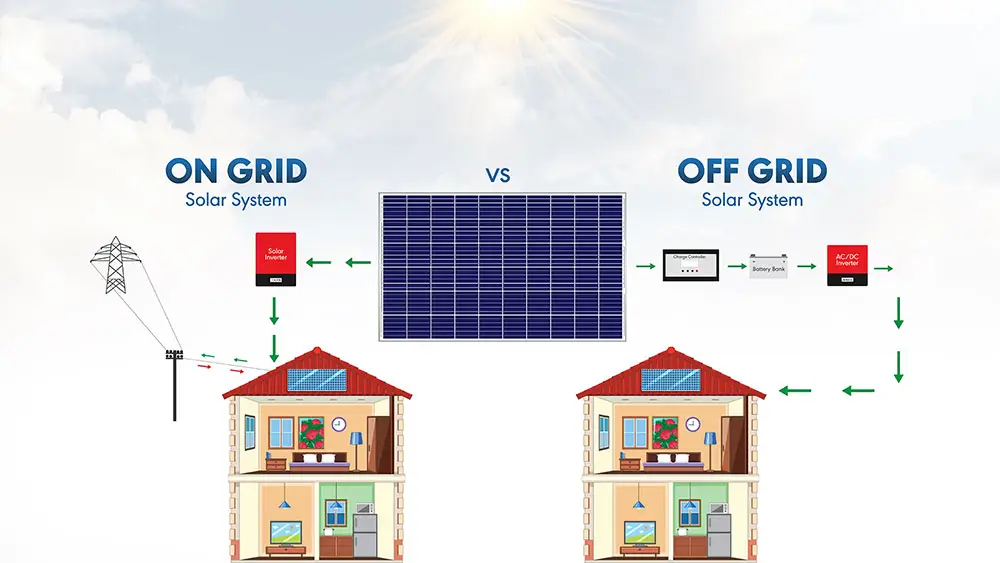
Hybrid solar systems are the best choice for most Indian homeowners in 2026, offering backup power, grid connectivity, and the ability to maximize savings through net metering and government subsidies.
On-grid systems work best for budget-focused buyers, while off-grid suits remote locations without grid access.
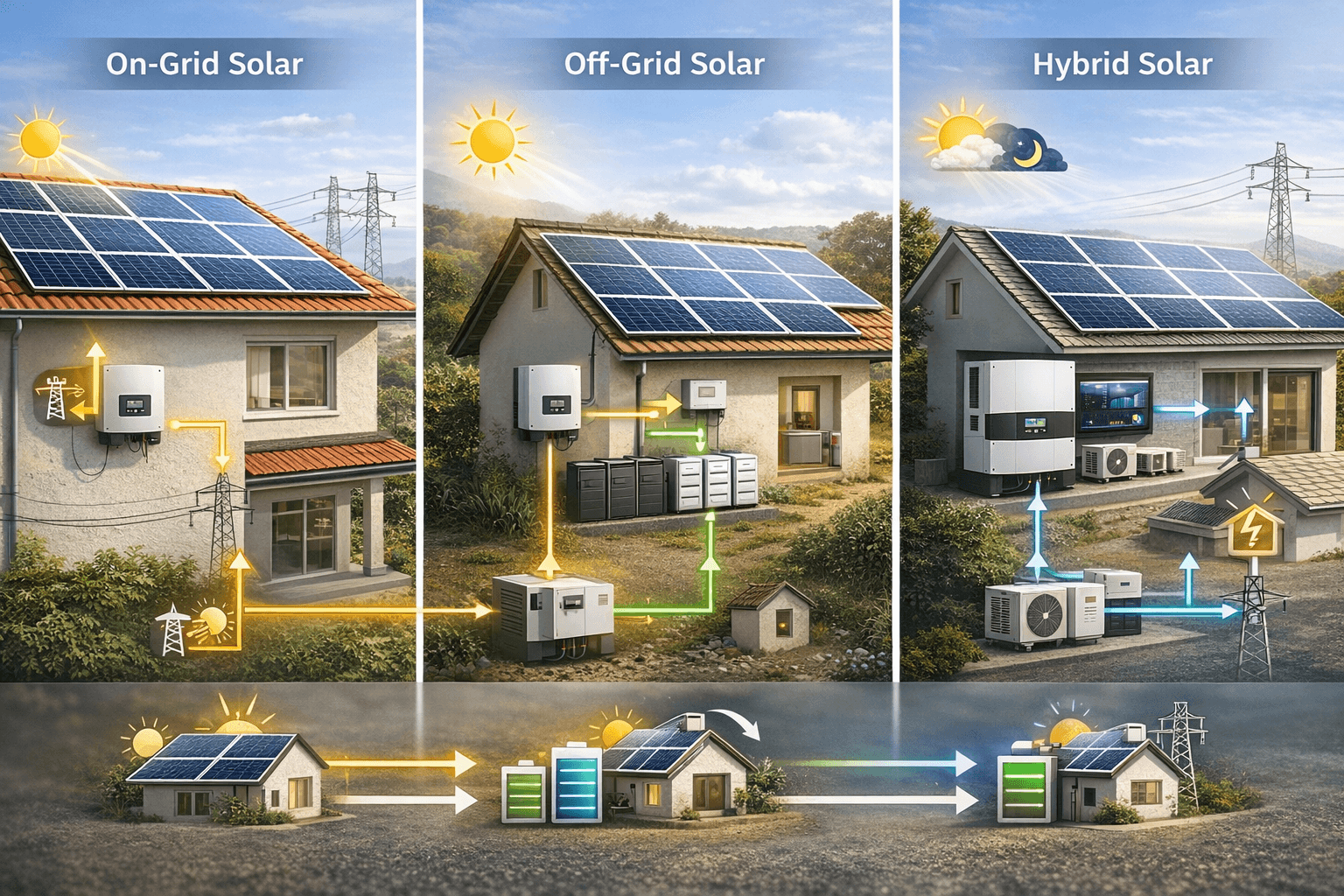
On-grid systems
connect to the utility grid, cost ₹1.1–₹4.2 lakh (after subsidy), but provide no backup during power cuts
Off-grid systems
offer complete independence with batteries, cost ₹1.7–₹6.8 lakh, and suit remote areas
Hybrid systems
combine grid connection with battery backup, cost ₹2.5–₹7 lakh, and provide the most flexibility
PM Surya Ghar Yojana
offers subsidies up to ₹78,000 for residential systems up to 3kW capacity
Net metering
allows you to export surplus power and reduce bills significantly
Solar technology in India has evolved rapidly. You now have three distinct options. Each system serves different needs, budgets, and energy goals.
The right choice depends on your location, grid reliability, and whether backup power matters to you.
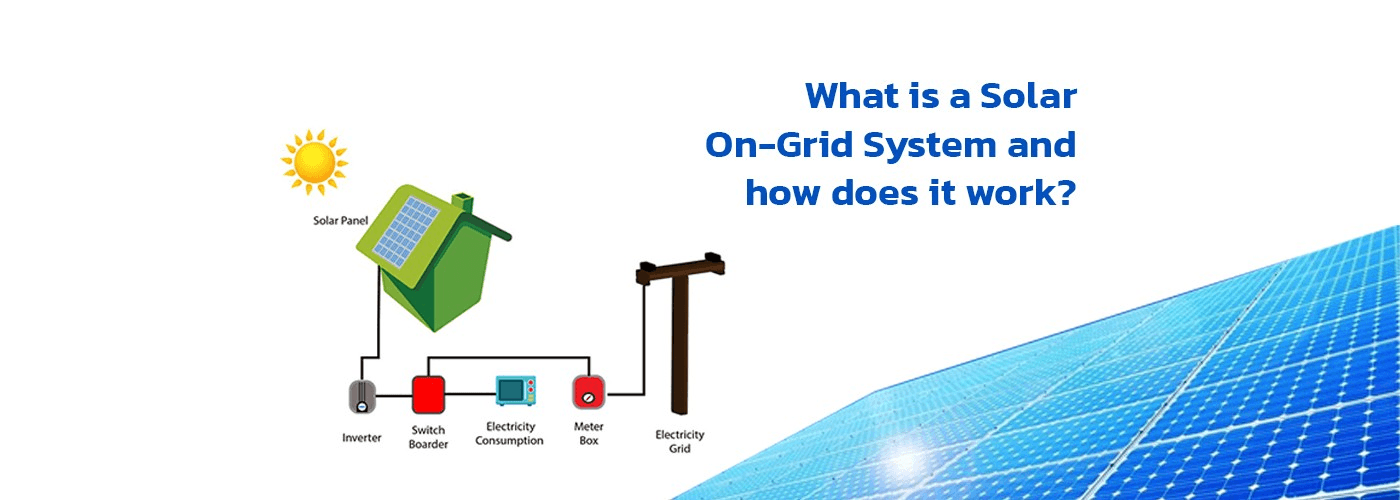
On-grid solar connects directly to your utility grid. It generates power during the day and feeds excess electricity back to the grid.
Your solar panels generate electricity. The inverter converts DC power to AC power. When you produce more than you use, the surplus flows to the grid. Your bi-directional meter tracks both consumption and export.
During night or cloudy days, you draw power from the grid. You pay only for net consumption.
1kW system
: ₹79,000 (before subsidy)
2kW system
: ₹1.4–₹1.7 lakh (before subsidy)
3kW system
: ₹1.2–₹1.7 lakh (before subsidy)
5kW system
: ₹3.1–₹3.47 lakh (before subsidy)
After PM Surya Ghar subsidy, costs reduce by ₹30,000 to ₹78,000 depending on system size.
You should pick on-grid if you:
Live in areas with stable grid supply
Want the lowest upfront investment
Don't need backup power during outages
Qualify for net metering benefits
Want fastest return on investment (3-5 years)
On-grid systems shut down during power cuts. This safety feature prevents electricity from flowing into repair lines. You cannot use solar power during blackouts.
Net metering policies vary by state. Some states offer retail rate credits, others pay lower export rates.
Off-grid solar operates independently. You rely entirely on solar panels and battery storage. No connection to the utility grid exists.
Solar panels charge batteries during daylight. Your home draws power from these batteries 24/7. A larger battery bank ensures power availability at night and during cloudy periods.
Many off-grid systems include backup generators for extended low-sun periods.
1kW system
: ₹85,000–₹2.2 lakh
2kW system
: ₹1.7–₹3.2 lakh
3kW system
: ₹2.4–₹4.2 lakh
5kW system
: ₹3.4–₹6.8 lakh
Battery costs add ₹50,000 to ₹2 lakh or more, depending on capacity.
Off-grid makes sense if you:
Live in remote areas without grid access
Face unreliable or non-existent grid supply
Want complete energy independence
Have land where grid connection costs exceed solar investment
Prioritize autonomy over cost optimization
You need larger battery banks. This increases upfront costs significantly. Battery replacement every 5-10 years adds recurring expenses.
You must carefully manage consumption. Running out of stored power means no electricity until batteries recharge.
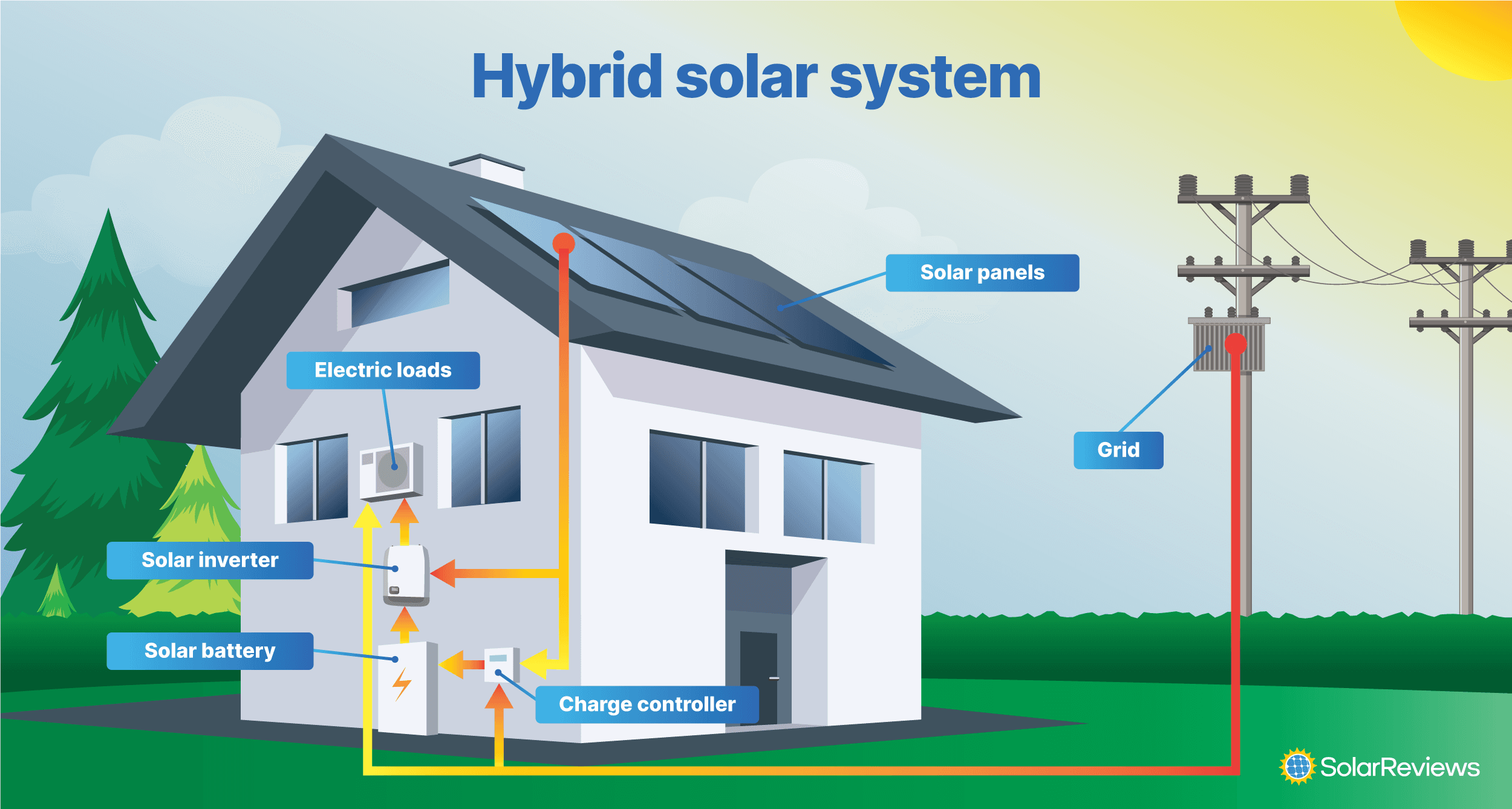
Hybrid solar combines on-grid and off-grid benefits. You connect to the grid while maintaining battery backup for critical loads or whole-home power.
Solar panels generate power. The system first powers your home. Excess energy charges batteries. Once batteries fill, surplus flows to the grid.
During outages, batteries provide backup automatically. You continue using essential or all appliances depending on battery capacity.
Modern hybrid inverters use smart energy management. They optimize when to use solar, battery, or grid power based on time-of-use rates.
3kW system with battery
: ₹2.5–₹4 lakh
5kW system with battery
: ₹4–₹6 lakh
10kW system with battery
: ₹7–₹10 lakh
Battery size determines final cost. Lithium batteries offer longer life but cost more than lead-acid options.
Hybrid suits you if you:
Experience frequent power cuts
Want backup for critical appliances (refrigerator, medical equipment, internet)
Live in areas with time-of-use electricity pricing
Seek maximum energy independence with grid connection safety net
Can invest more upfront for long-term flexibility
Hybrid systems dominate the Indian residential market. You get resilience during outages while benefiting from net metering.
You optimize electricity costs by storing power during off-peak hours and using it during peak-rate periods.
System Type | 3kW Cost (₹) | Battery Required | Backup Power | Subsidy Eligible | Best For |
On-Grid | 1.2–1.7 lakh | No | No | Yes | Stable grid areas, budget buyers |
Off-Grid | 2.4–4.2 lakh | Yes | Yes | No | Remote locations |
Hybrid | 2.5–4 lakh | Yes | Yes | Yes | Most urban/suburban homes |
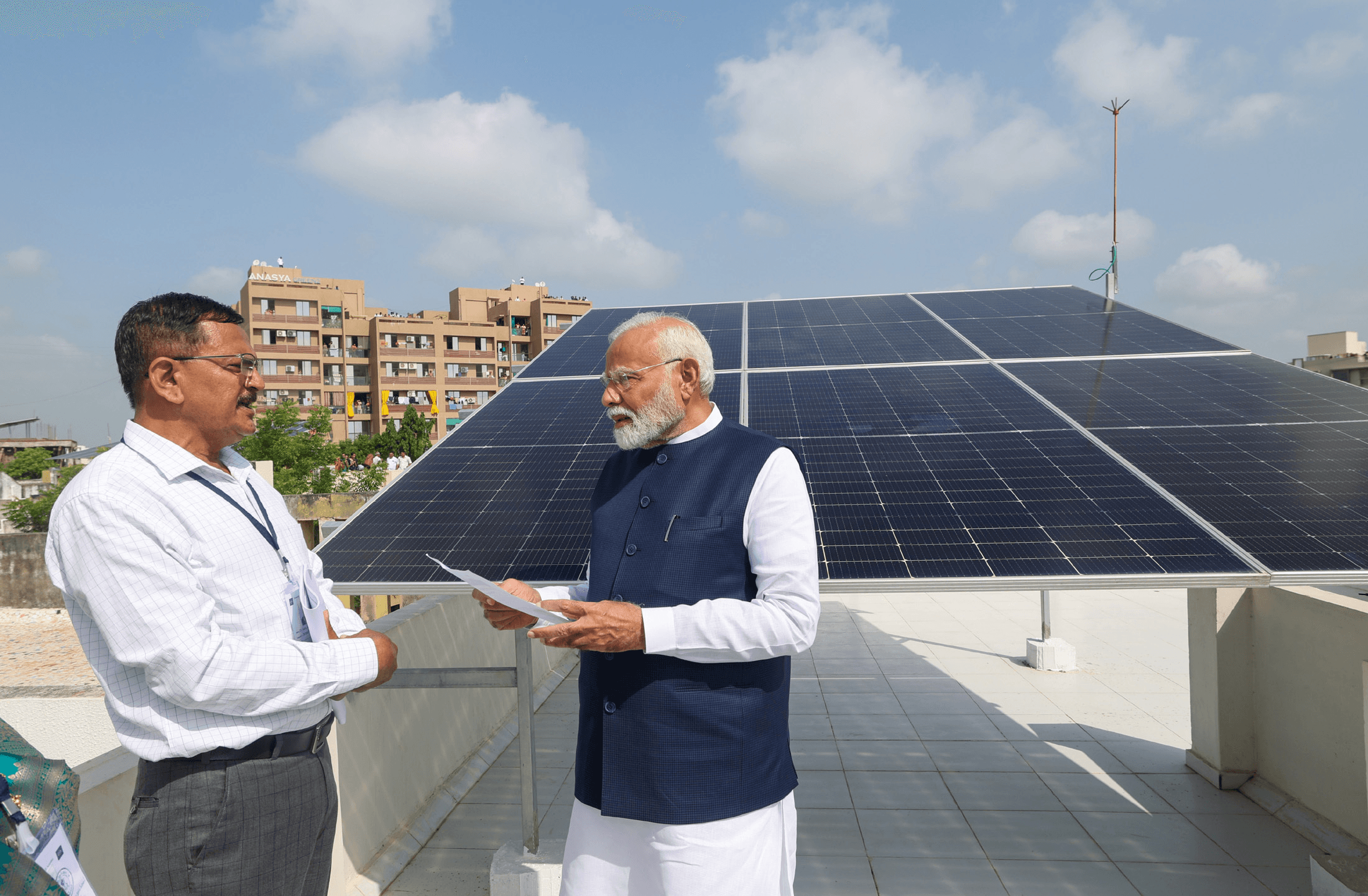
The Government of India's PM Surya Ghar: Muft Bijli Yojana continues through FY 2026-27. This program offers direct subsidies for residential rooftop solar.
1kW system
: ₹30,000 subsidy (60% of cost)
2kW system
: ₹60,000 subsidy (60% up to 2kW)
3kW or higher
: ₹78,000 subsidy (60% for first 2kW + 40% for next 1kW)
Subsidy caps at 3kW capacity. Systems above 3kW receive ₹78,000 maximum.
You must use BIS-certified solar modules. Installation must comply with safety norms. Only residential consumers qualify for subsidies.
Commercial and industrial installations do not receive subsidies but benefit from accelerated depreciation and tax incentives.
Net metering allows you to export surplus solar power to the grid. Your electricity meter tracks both import and export.
You generate 1,000 units monthly. You consume 800 units. The grid receives 200 surplus units. Your bill shows net consumption of 600 units (800 consumed from grid minus 200 exported).
Export rates vary by state. Some offer retail rates (₹8-₹12 per unit). Others pay avoided cost rates (₹3-₹5 per unit).
Net metering policies differ across states. Check with your local electricity distribution company (DISCOM) for specific terms.
Your payback period depends on system type, electricity rates, and subsidies.
On-grid with subsidy
: 3-4 years
Hybrid with subsidy
: 4-6 years
Off-grid
: 7-10 years
After payback, you enjoy nearly free electricity for 20+ years. Solar panels carry 25-year performance warranties.
Monthly electricity bills of ₹5,000-₹10,000 accelerate payback significantly.
Earthwave Solar provides complete EPC (Engineering, Procurement, Construction) services across India. Operating since 2018, Earthwave has delivered 80+ MW of solar projects for residential, commercial, and industrial clients.
Earthwave transforms your rooftop into a power generator. Their systems reduce electricity bills by up to 100% while increasing property value.
Installation completes in a few days with minimal disruption. Most homeowners recover investment within 3-4 years, then enjoy free electricity for decades.
Earthwave handles all permits, subsidy claims, DISCOM approvals, and grid connection paperwork. You face zero complications.
Earthwave starts with an honest conversation. No sales pressure, just guidance to determine if solar fits your needs.
Experts inspect your property to assess roof condition, sun exposure, and electrical setup. You receive guidance toward the best solution for your actual needs.
You get detailed system design showing exactly how installation will look. The quotation includes every component with transparent pricing. No hidden costs.
Earthwave manages all paperwork, subsidy claims, and approvals. Every document gets filed correctly.
Certified technicians build your system with precision. Every detail executes to highest standards.
Technical engineers conduct thorough checks. You receive complete guidance for maintenance and monitoring. Full support begins immediately.
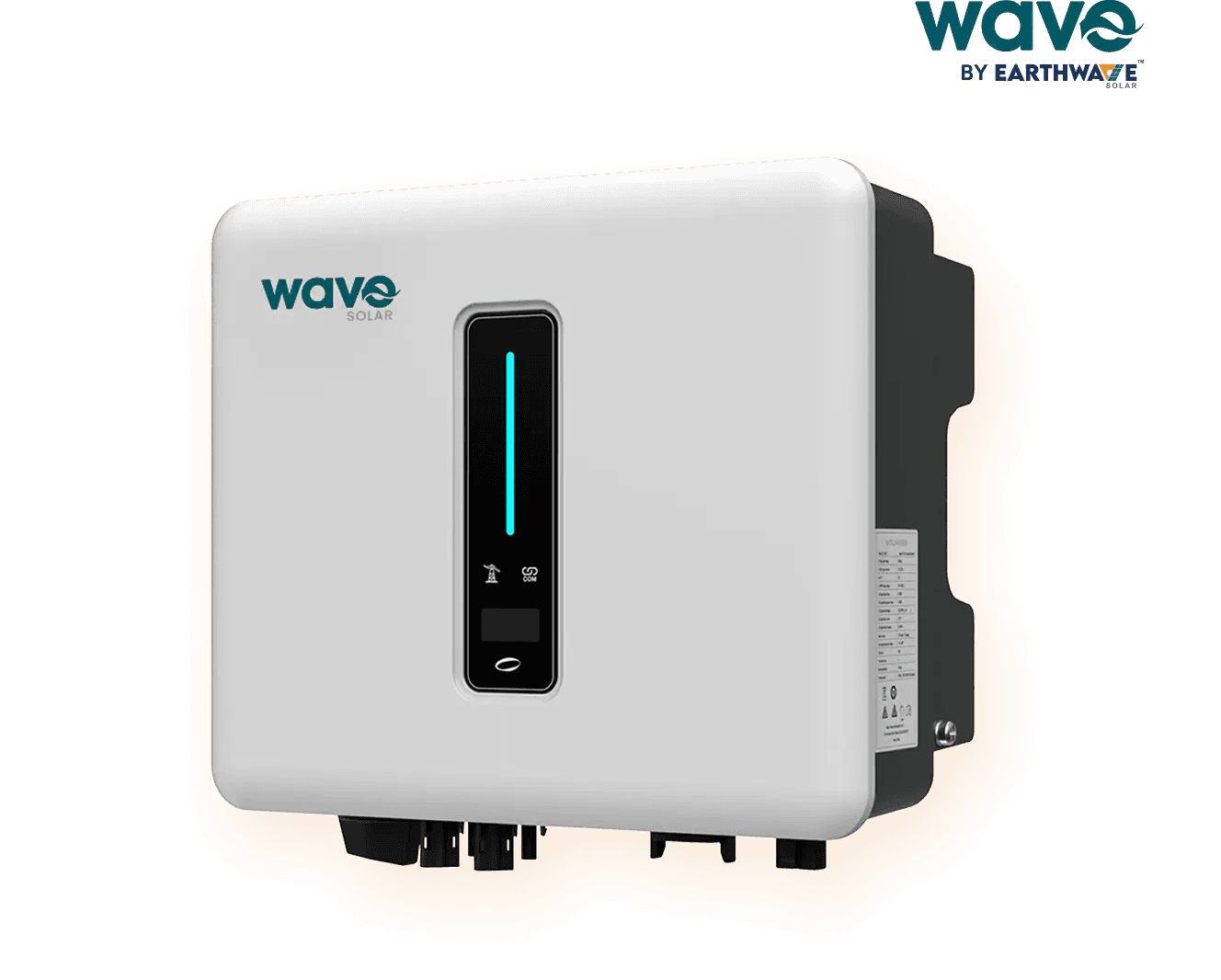
Earthwave manufactures Wave Series inverters delivering up to 97% efficiency. These convert solar energy into reliable power for any setup from 1.5kW to 125kW.
Choose from string or micro-inverters. Each comes with 10-year warranty and smart monitoring for real-time performance tracking via smartphone.
Earthwave has completed major projects including:
River Penta Sky: 30kW residential
True Colors, Palsana: 2MW industrial
Mota Mandvada, Bagasra: 80MW ground mount
Goldi Solar, Amod: 2MW ground mount
Clients include Mahindra Susten, Torrent Power, DGVCL, and Goldi Solar.
Your choice depends on three factors: grid reliability, budget, and backup needs.
Choose on-grid for lowest cost and fastest ROI when grid supply is stable. Choose off-grid only if grid access is unavailable or unreliable. Choose hybrid for best balance of savings, backup power, and future-proofing.
Hybrid systems dominate urban and semi-urban markets. You get net metering benefits, subsidy eligibility, and peace of mind during outages.
Yes, residential hybrid systems qualify for PM Surya Ghar subsidies up to ₹78,000 for systems up to 3kW capacity. You must use BIS-certified modules and follow safety compliance norms.
Lithium batteries last 10-15 years with 5,000-10,000 charge cycles. Lead-acid batteries last 5-7 years. Battery replacement is a recurring cost in off-grid and hybrid setups.
On-grid systems automatically shut down during power cuts for safety reasons. This prevents electricity from flowing into repair lines and endangering utility workers.
Most states offer net metering, but policies and export rates vary significantly. Some states credit at retail rates while others pay avoided cost rates (₹3-₹5 per unit). Check with your local DISCOM for specifics.
A 3kW system suits homes with monthly bills of ₹2,000-₹4,000. A 5kW system fits homes with ₹5,000-₹8,000 monthly bills. Larger homes or villas may need 7-10kW systems.
Stop paying rising electricity bills. Start generating your own clean power. Earthwave Solar offers turnkey residential solar solutions with complete transparency, expert installation, and lifetime support.
Contact Earthwave Solar Today:
📞 Gujarat: +91 90336 07212
📞 Madhya Pradesh: +91 90336 02156
📧 Email: info@earthwavetech.in
🌐 Website: www.earthwavetech.in
Get your free solar consultation. Discover which system fits your home, budget, and energy goals in 2026.
FAQS
Can't find the answer you're looking for? Our team is here to help.
SUBSCRIBE NEWSLETTER
Switching to solar is easier than you think. Let us guide you to cleaner, more affordable energy.
