Solar for Textile Industries in Surat
Solar for Textile Units in Surat: Cut Power Costs 40%
2026-02-21T00:00:00.000Z•9
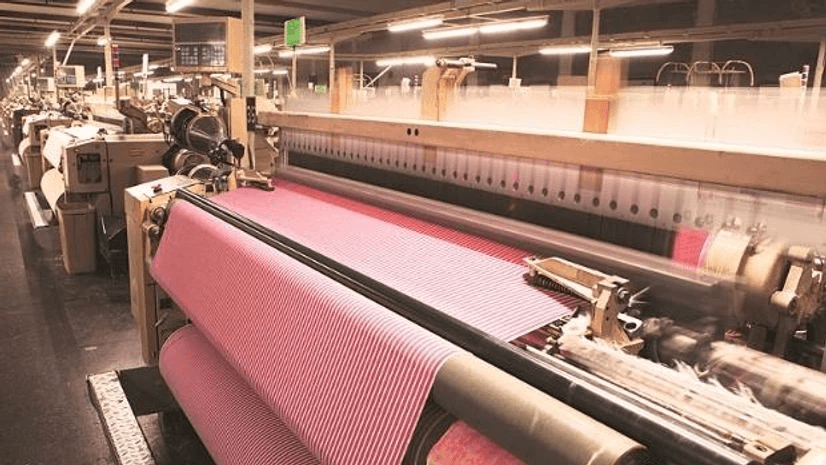
Textile manufacturing units in Surat can reduce power costs by 40% by installing commercial solar systems on rooftops or ground-mounted structures.
Solar energy eliminates peak-hour tariff charges, reduces dependence on grid electricity, and provides predictable energy costs for 25+ years with a payback period of 3-5 years.
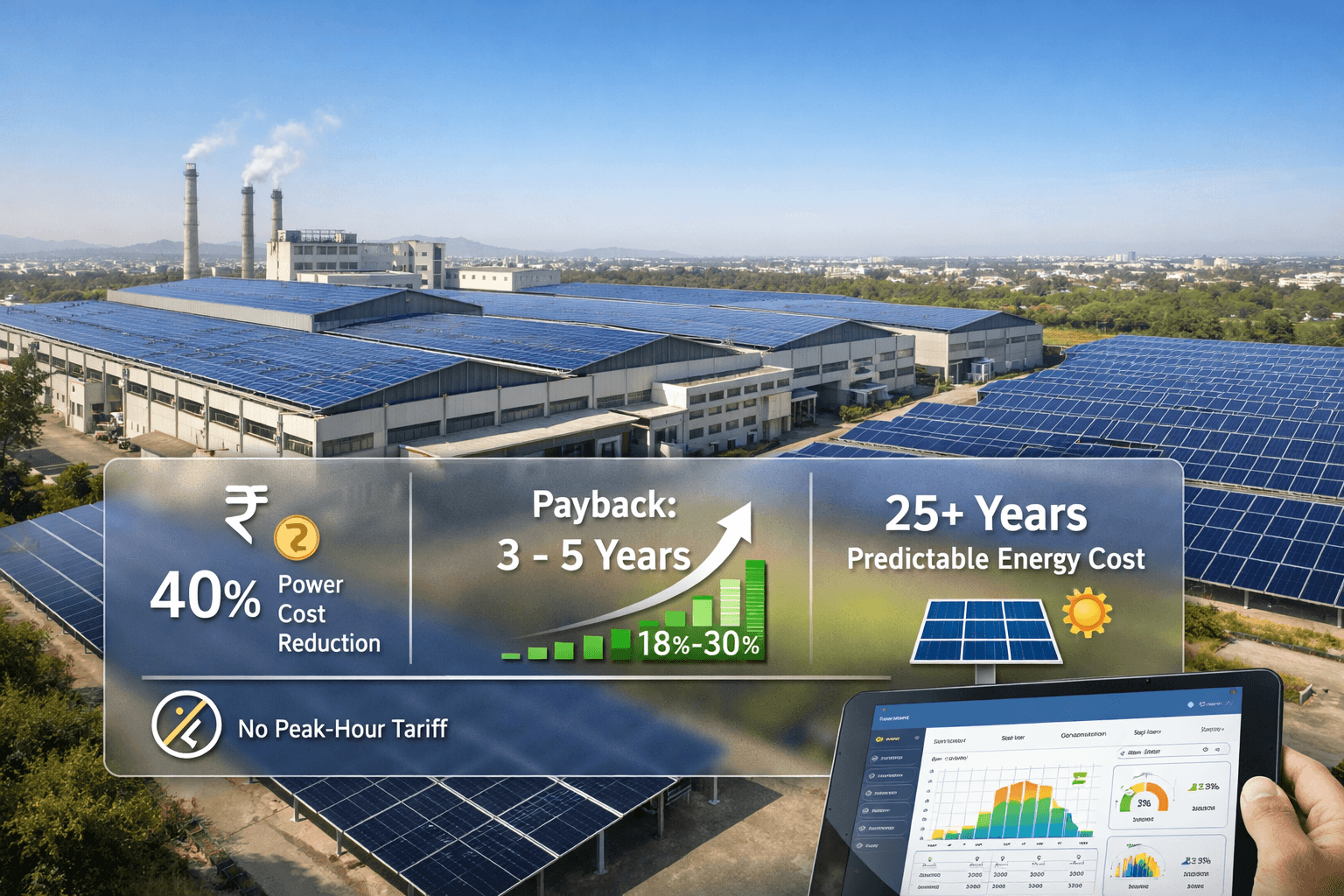
Textile units currently pay ₹7.50-₹14 per unit plus an additional ₹0.45 peak-hour surcharge, making electricity consume 20-35% of total operational costs
Commercial solar installations
deliver proven 30-40% reduction in power expenses while protecting businesses from escalating tariffs
Return on investment for textile-specific solar systems ranges from 3-5 years with annual returns of 18-30%
has successfully completed
including 170 kW at Pari Textile, 120 kW at Sahaj Textile, and a massive 2 MW installation at True Colors
Real-time monitoring systems, accelerated depreciation benefits, and zero grid dependency during production hours maximize your savings potential
Surat's textile cluster operates 400+ dyeing and processing firms consuming 726 GWh of power annually.
Textile manufacturers running 24/7 production face expensive peak-hour tariffs of ₹0.45 per unit during:
Morning shift: 7-11 AM
Evening shift: 6-10 PM
Recent industry data shows over 32,000 MSMEs in South Gujarat received retrospective electricity bills totaling ₹60 crore due to new peak-hour charges.
Industrial tariffs: ₹8-₹14 per unit
Energy costs: 20-35% of total manufacturing expenses
Monthly bills: ₹5-50 lakhs (medium-sized dyeing units)
Annual tariff escalation: 6-8% year-on-year
A medium-sized dyeing unit processing 10,000 meters daily faces:
Unpredictable monthly electricity costs
Rising operational expenses eating into profit margins
Difficult budget planning due to constant tariff increases
Competitive disadvantage against units with stable energy costs
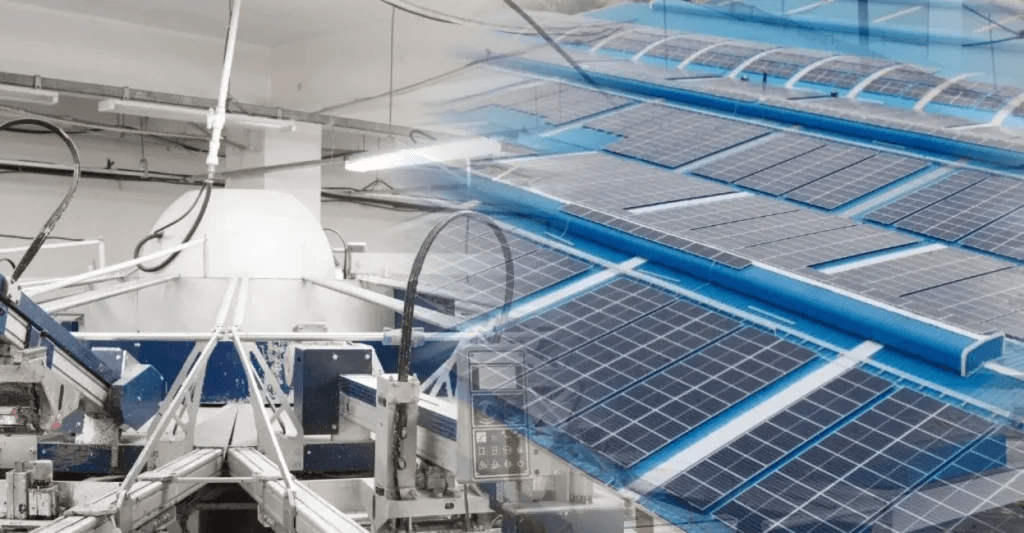
Commercial solar systems generate free electricity during daylight hours when textile units consume approximately 70% of their daily power requirement. This strategic timing eliminates exposure to peak-hour surcharges and reduces grid dependency by 60-75%.
Units spending ₹12 lakhs monthly save ₹4.8-7.2 lakhs per month
Annual savings reach ₹57-86 lakhs for medium-sized installations
Over 25 years, a 500 kW system delivers ₹15+ crore in total savings
Solar generation peaks between 10 AM and 4 PM, precisely when textile manufacturing processes like dyeing, printing, and finishing consume maximum power.
This natural alignment means your facility generates maximum solar power exactly when DGVCL charges the highest rates.
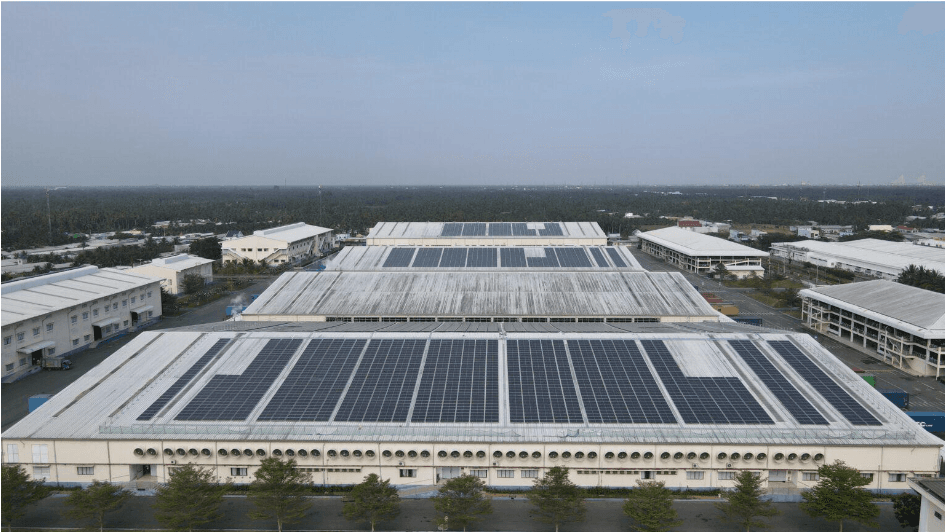
Rooftop solar installations are ideal for textile units with 5,000-50,000 sq.ft factory rooftops
EarthWave's proven rooftop projects for Surat textile units like Pari Textile (170 kW) and Sahaj Textile (120 kW) demonstrate reliable performance in industrial environments.
System Specifications
Capacity range: 100 kW to 1 MW
Wave Inverters delivering up to 98.6% efficiency
Real-time monitoring via smartphone apps
Complete tracking of generation, consumption, and savings across production lines
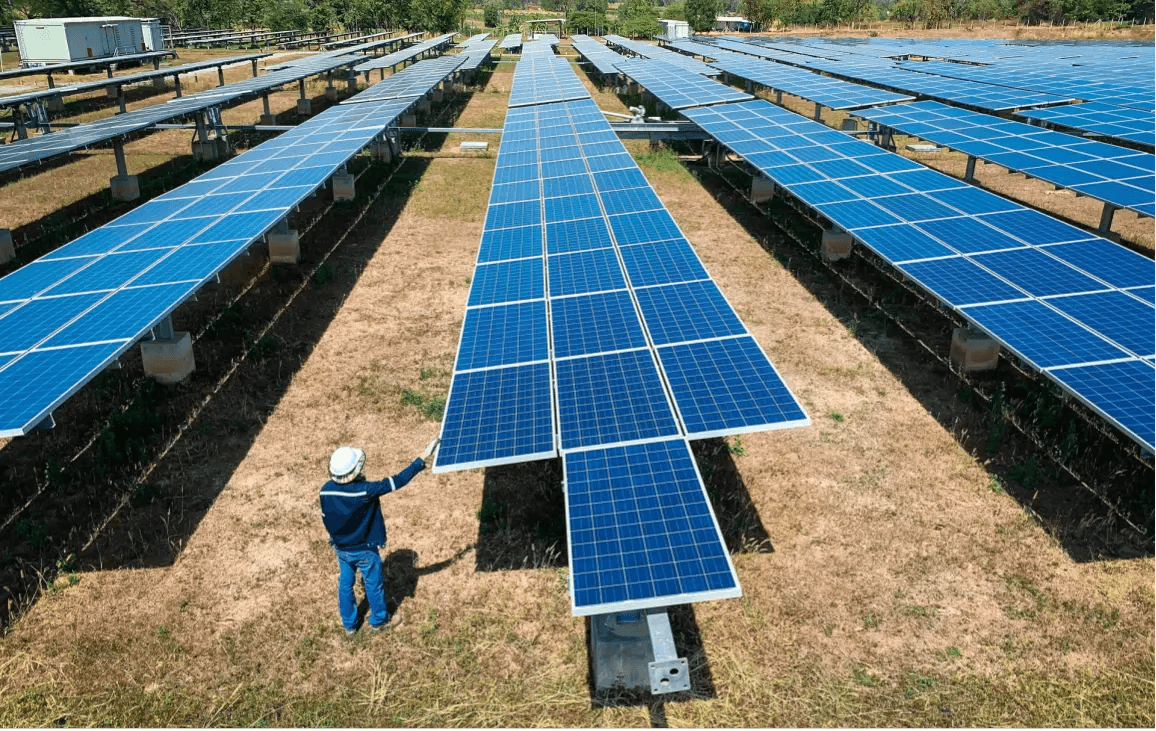
Ground-mounted solar installations are perfect for textile units with available land adjacent to production facilities.
EarthWave's 2 MW ground-mount installation at True Colors in Palsana demonstrates the scalability possible for high-capacity textile operations.
Key Advantages
Easier maintenance access without production disruption
Superior sun exposure optimization through adjustable tilt angles
Expansion flexibility as production demands grow
No structural load concerns on factory buildings

Typical payback period: 3-5 years
Annual ROI: 18-30% depending on consumption patterns
Internal Rate of Return (IRR): Exceeds 22% for industrial installations
40% accelerated depreciation in the first year
GST input credits on all solar equipment
Net metering credits for surplus generation fed back to the grid
A textile unit currently spending ₹50 lakhs annually on electricity can expect to:
Recover complete solar investment within 3.2 years
Generate ₹15 crore in savings over the system's 25-year lifetime
Achieve 25% annual return on investment after payback period
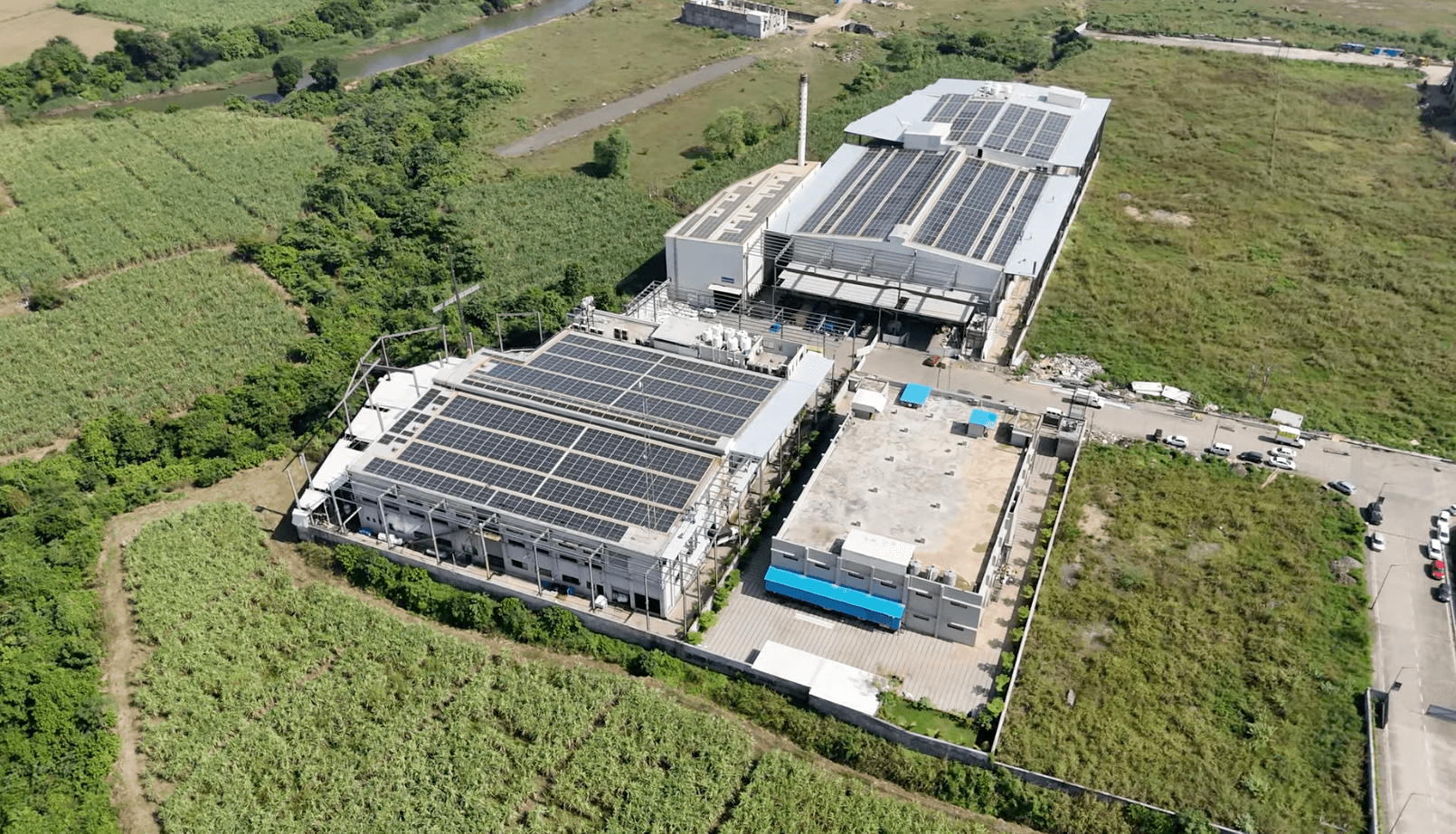
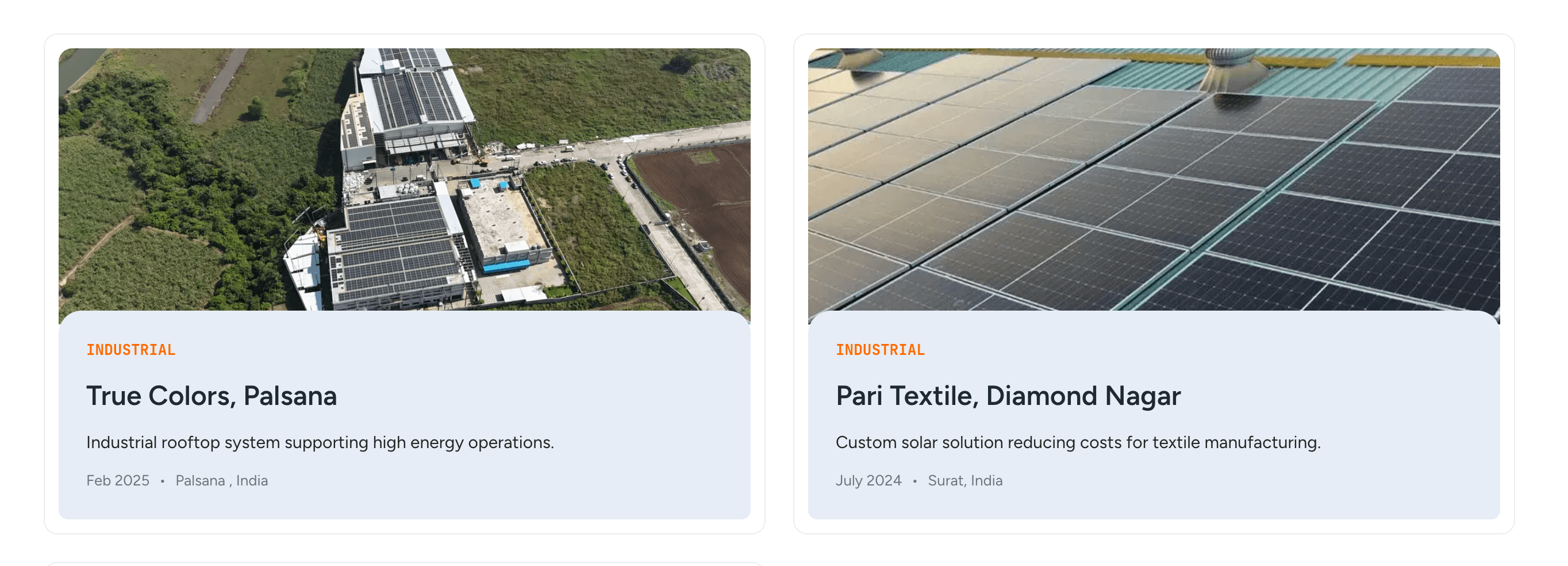
This commercial rooftop system delivers 35-40% reduction in power expenses with complete EPC service delivery.
The facility now generates 240,000+ units annually, eliminating peak-hour charges during critical dyeing operations.
This industrial rooftop solution provides energy independence and predictable costs for dyeing operations.
The unit reports consistent monthly savings of ₹1.8-2.4 lakhs regardless of DGVCL tariff fluctuations.
This large-scale ground mount project demonstrates EarthWave's capability to handle multi-megawatt textile manufacturing requirements.
The installation supplies over 3 million units annually, covering 65% of the facility's total energy needs.
Explore more commercial and industrial solar projects completed by EarthWave across Gujarat.
Industrial-grade modules with 25-year performance warranties
Designed specifically for harsh manufacturing environments
Resistant to chemical fumes, heat, and humidity common in textile processing
Modern textile solar installations include sophisticated monitoring that provides:
Live energy production tracking by hour and shift
Historical performance analytics for financial planning
Predictive maintenance notifications to prevent downtime
Mobile app access for owners and facility managers
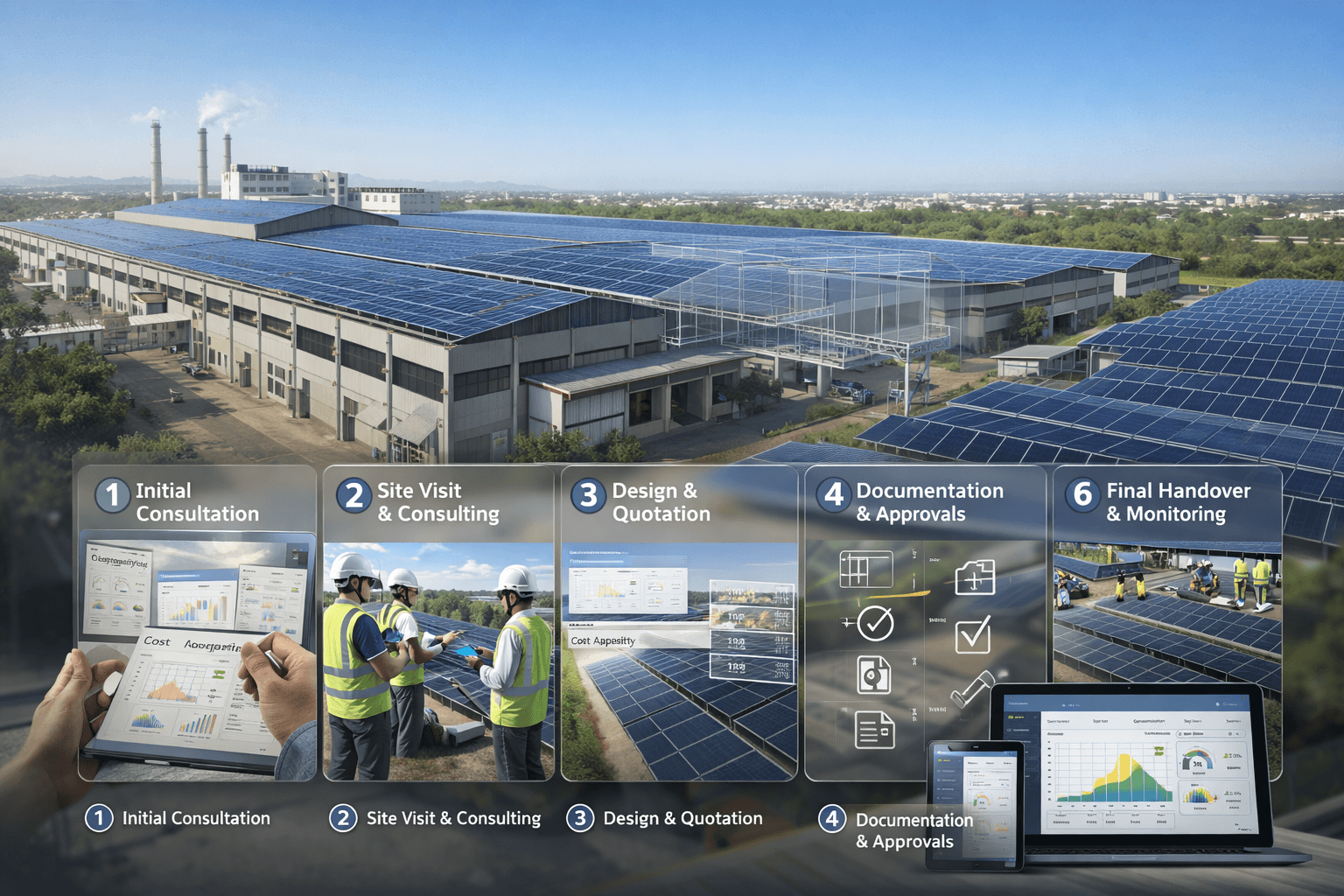
EarthWave's complete commercial solar EPC process for textile manufacturing:
Energy needs assessment without sales pressure
Electricity bill analysis
Production schedule review
Exact solar capacity determination
Roof condition and structural capacity inspection
Electrical setup evaluation
Shadow analysis for optimal panel placement
Integration planning with existing systems
Detailed system design with layout
Transparent pricing breakdown
Complete ROI calculations
No hidden costs
DGVCL approvals handled
Subsidy applications processed
Grid connection paperwork completed
Zero regulatory complications
Precision installation by certified technicians
Scheduled during planned shutdowns or off-shift hours
Zero manufacturing disruption
15-20 day completion timeline
Technical training for your staff
Operations guidance
Maintenance protocols
24/7 support access
EarthWave's Surat Textile Track Record: 9+ completed projects including Pari Textile (170 kW), Sahaj Textile (120 kW), and True Colors (2 MW).
No.
Installation occurs during planned maintenance windows or off-shift hours.
Most textile rooftop installations complete within 15-20 days with work scheduled around your manufacturing calendar.
Your production continues uninterrupted throughout the entire installation process.
Grid-tied systems with net metering automatically balance generation and consumption in real-time.
When solar produces excess power:
Surplus flows to the grid
You earn credits on your electricity bill
During night shifts:
You draw from the grid as usual
Accumulated credits offset consumption
Creates virtual battery effect without storage costs
Solar panels generate 60-70% of peak output during cloudy conditions and monsoons.
Annual ROI calculations already account for seasonal variations, ensuring projections remain accurate.
The 25-year performance warranty guarantees minimum output regardless of weather patterns.
Textile units with 100+ kW load requirement
Available rooftop space (minimum 5,000 sq.ft) or ground area
Clear structural assessment confirming mounting capability
Active DGVCL connection with industrial tariff
Not sure if your facility qualifies? Our team of solar experts can conduct a free feasibility assessment.
Schedule free site assessment and consumption analysis
Receive customized system design with financial modeling
Review transparent quotation with component-level specifications
Sign agreement and begin documentation process
Installation within 30-45 days of approval
EarthWave Solar's Surat office provides dedicated support for South Gujarat textile manufacturers with 9+ years of renewable energy expertise and deep understanding of textile industry requirements.
Schedule a free site assessment with EarthWave Solar's textile industry specialistsGet a customized solar proposal with detailed ROI analysis specifically designed for your Surat manufacturing facility.
Contact EarthWave Solar - Surat Office:
Phone:
+91 90336 07212
Email:
Address:
Office No. 2, 1st Floor, Savlia Circle, Near Bapasitaram Chowk, Surat - 395011
Explore our completed textile projects including Pari Textile, Sahaj Textile, and True Colors installations. Download our comprehensive case studies and savings calculators to see exactly how solar can transform your energy costs.
A minimum of 5,000 sq.ft rooftop area is required to install a viable commercial solar system for textile units. This space can accommodate approximately 50-70 kW capacity, which is suitable for small to medium dyeing and processing operations. Learn more about residential and commercial rooftop solutions for various facility sizes.
Installation typically takes 15-20 days for rooftop systems and is scheduled during off-shift hours or planned maintenance windows. EarthWave coordinates closely with your production schedule to ensure zero manufacturing disruption throughout the entire installation process.
Solar systems generate power only during daylight hours, but net metering allows you to earn credits for surplus generation that can offset night-time grid consumption. For 24/7 solar independence, you can pair the system with battery storage, though most textile units find grid-tied systems more cost-effective.
Solar panels continue generating 60-70% of peak capacity during monsoon and cloudy conditions. Annual ROI calculations account for seasonal variations, and the 25-year performance warranty guarantees minimum output levels regardless of weather patterns.
Textile units can claim 40% accelerated depreciation on solar assets in the first year, significantly reducing taxable income. For a ₹50 lakh solar investment, this translates to ₹20 lakh depreciation benefit in year one, improving effective ROI and cash flow for your business.
FAQS
Can't find the answer you're looking for? Our team is here to help.
SUBSCRIBE NEWSLETTER
Switching to solar is easier than you think. Let us guide you to cleaner, more affordable energy.
