Solar for Data Centers
Solar-Powered Data Centers: Cut Power Costs 35–40%
2026-02-23T00:00:00.000Z•8
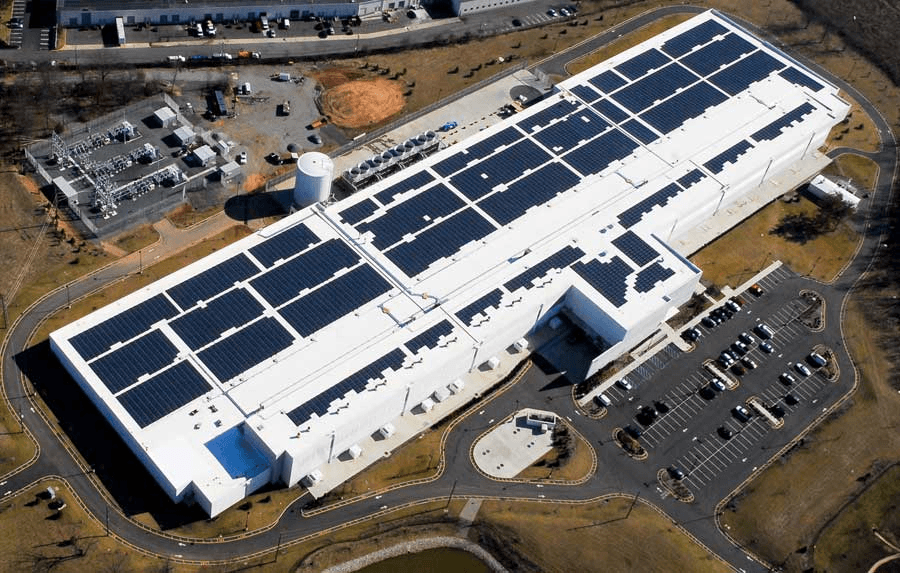
Solar-powered data centers can reduce electricity expenses by 35-40% through strategic integration of on-site solar arrays, battery storage systems, and smart energy management controls that offset peak demand charges while generating predictable, fixed-cost power for 25+ years.
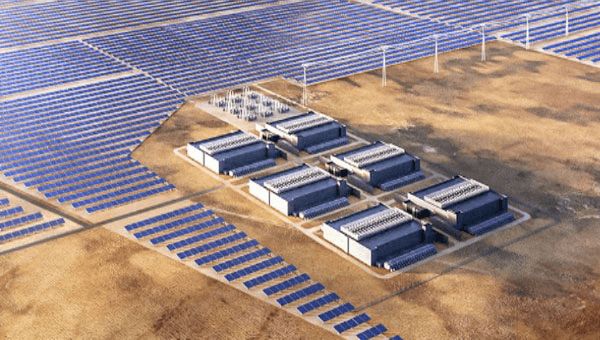
Data centers can achieve 35-40% power cost reduction with smart solar systems
Solar paired with battery storage delivers predictable energy costs over 25 years
Payback periods range from 3-5 years with annual ROI of 15-25%
Behind-the-meter solar installations deploy in 18-24 months or faster
Solar plus storage reduces demand charges by 15-40% through peak shaving
Data centers consume massive amounts of electricity around the clock. With global data center electricity spending projected at $580 billion in 2026, power costs represent one of the largest operational expenses.
Solar energy provides three critical advantages:
Solar locks in electricity rates for 15-25 years through power purchase agreements or direct ownership. This eliminates exposure to volatile wholesale markets and provides CFOs with predictable long-term expenses.
Battery storage paired with solar enables strategic peak shaving. Systems automatically deploy stored energy during high-demand periods, reducing expensive demand charges by 15-40%.
A 1 MW solar system generates 1.5 million kWh annually and displaces approximately 1,350 tonnes of CO2 per year. This delivers measurable progress toward carbon neutrality targets.
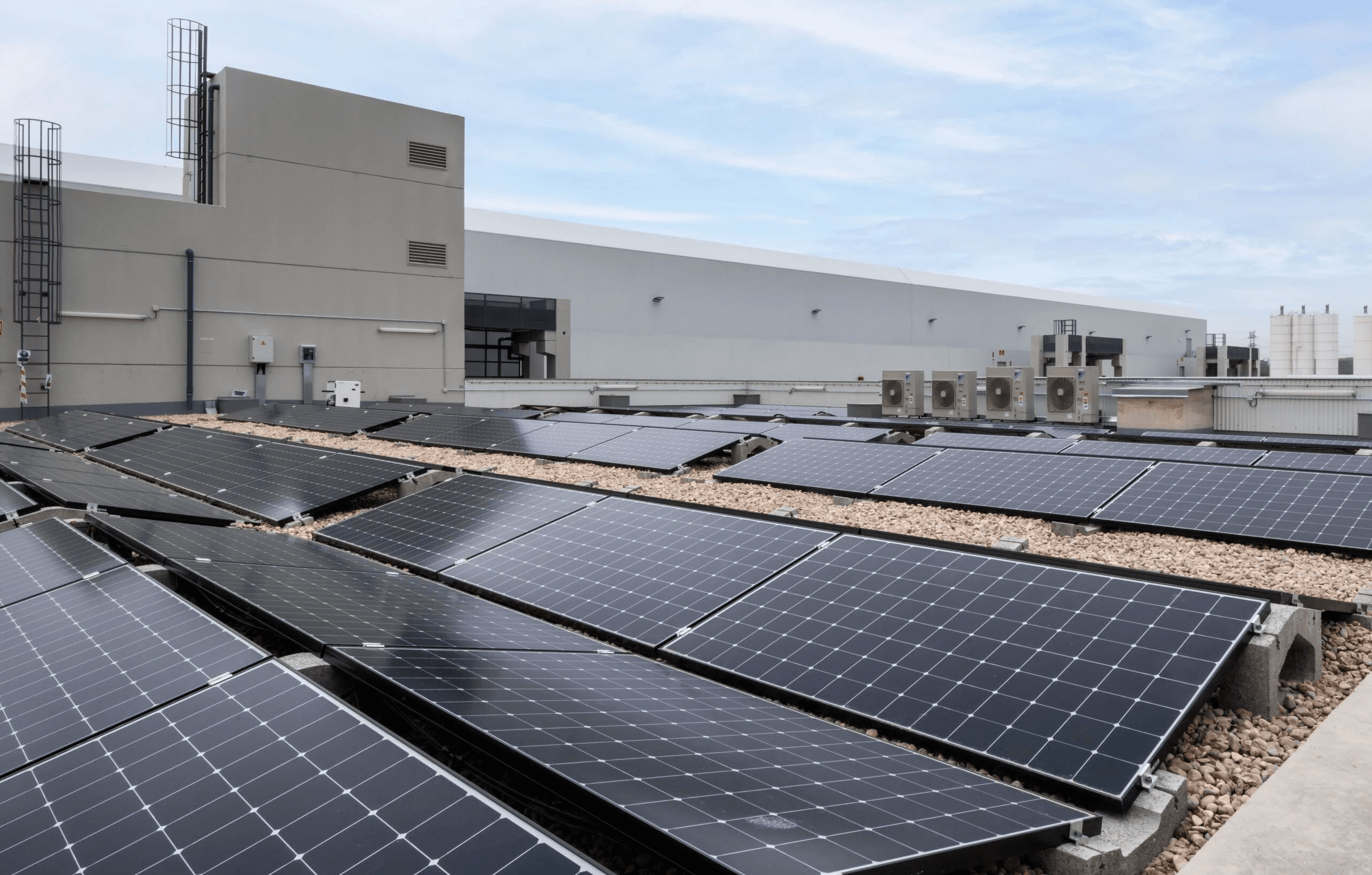
Industrial-grade solar panels rated for 25-year performance warranties deliver consistent output across harsh operating conditions. Panels can be installed on available rooftops, parking structures, or adjacent ground-mounted systems.
Modern inverters achieve up to 97% conversion efficiency, minimizing power loss during DC-to-AC conversion. This efficiency advantage translates to maximum usable power from every solar panel.
Earthwave Solar offers Wave Inverters engineered specifically for commercial and industrial applications:
97% maximum efficiency across 2.5 kW to 125 kW range
String and microinverter options for flexible system design
Smart monitoring with real-time performance tracking via smartphone
10-year warranty backing
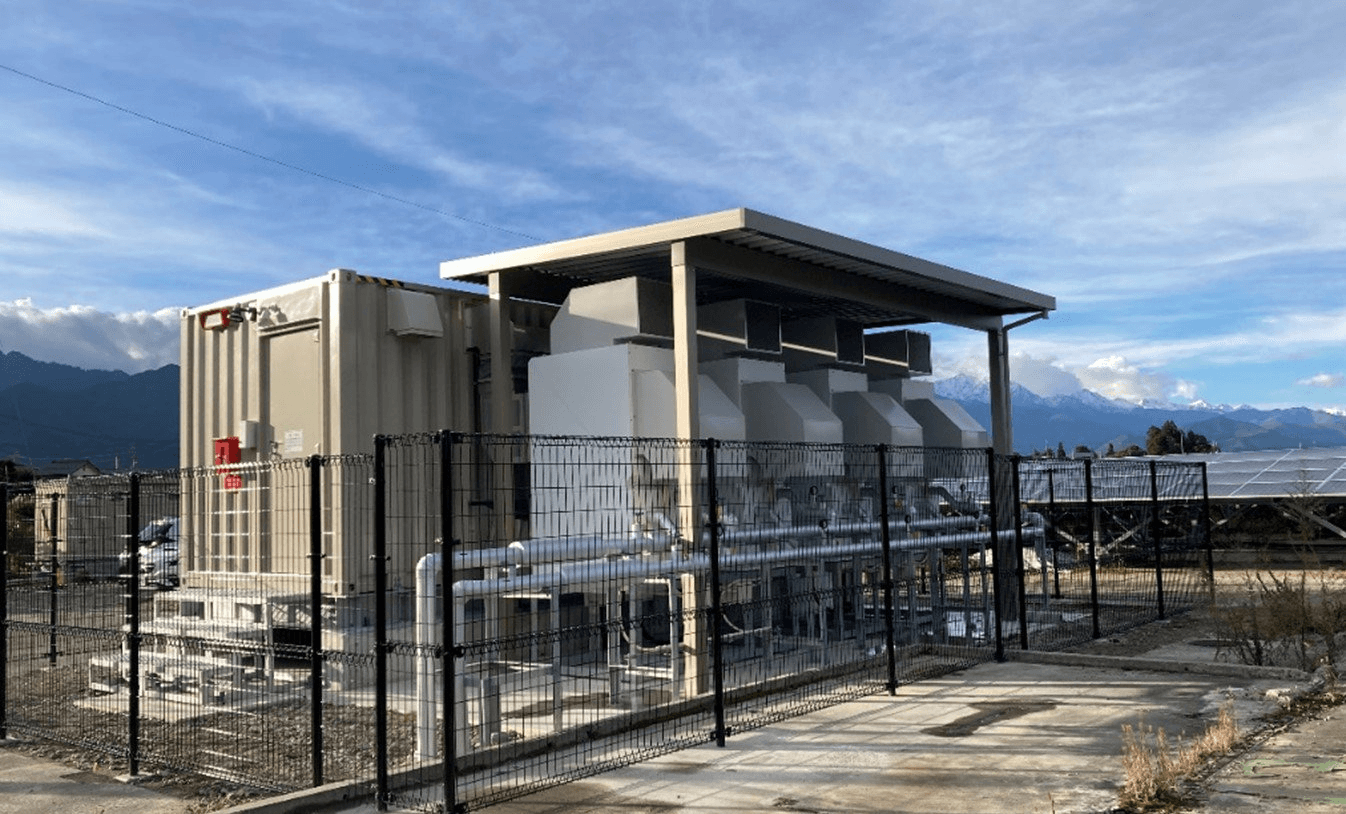
Lithium-ion battery systems provide 2.5 MWh to 5 MWh capacity for load shifting and grid independence.
Batteries store excess solar generation during daylight hours and discharge during evening peak periods or grid outages.
SCADA-integrated monitoring tracks generation, consumption, and savings across operations. Advanced controls automatically optimize battery charging and discharging based on real-time demand and tariff structures.
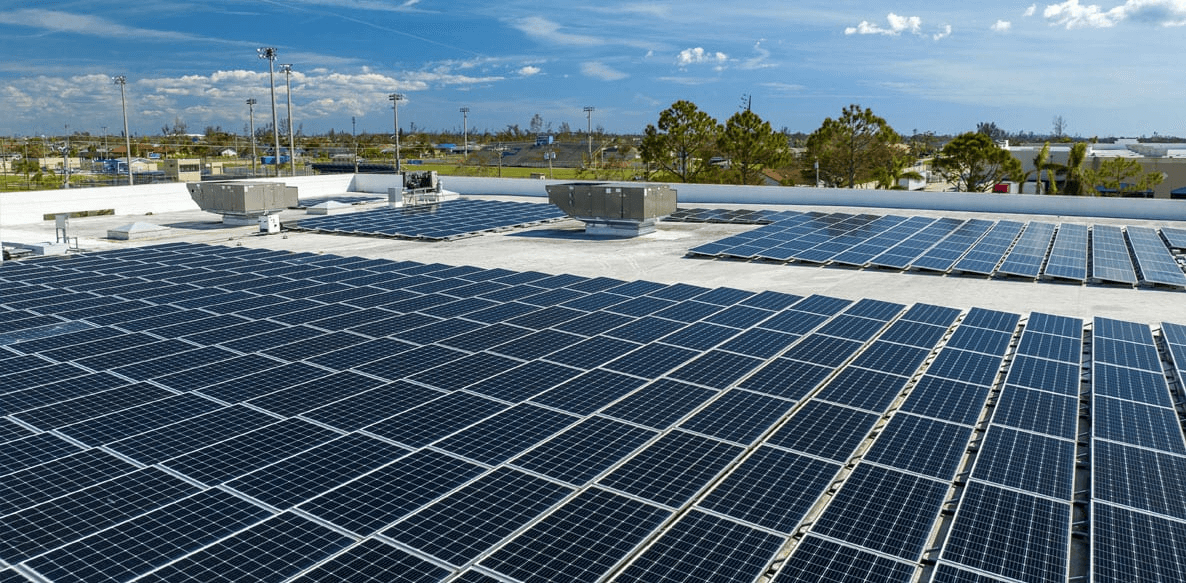
Direct on-site installation where solar powers the data center without feeding the grid. This approach delivers the fastest deployment, with construction completed in just a few months once permits are secured.
Benefits:
Immediate cost reduction on electricity bills
No grid dependency for daytime operations
Simplified permitting in many jurisdictions
Maximum control over energy source
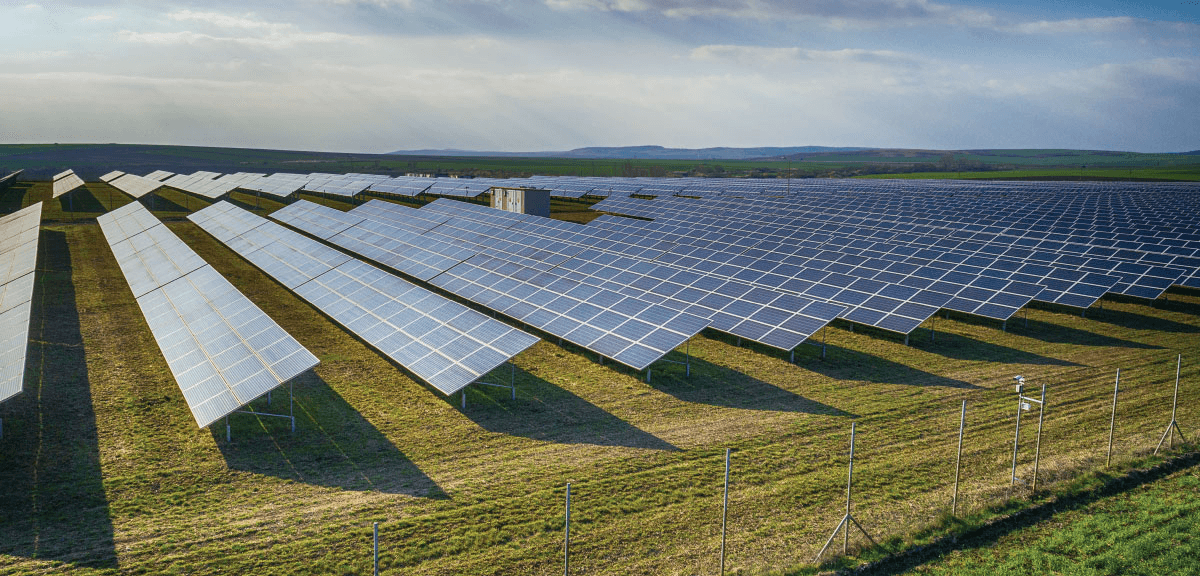
Long-term contracts with large solar farms delivering clean power at fixed rates for 15-25 years. Major providers like Microsoft have signed 8-year deals for 12 GW of solar capacity.
Benefits:
Scalable to multi-megawatt requirements
No upfront capital investment required
Predictable energy costs locked in for decades
Portfolio-wide carbon reduction
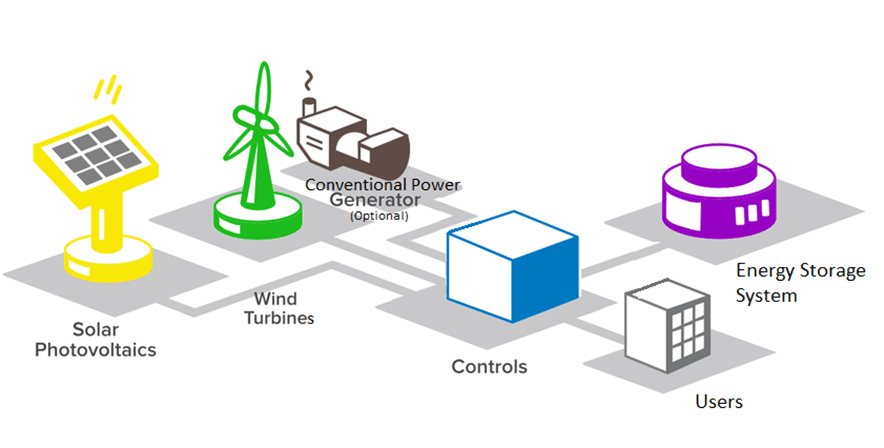
Solar arrays paired with battery storage and grid connection create resilient microgrids. This configuration provides 99.98% uptime reliability with storm outage recovery under 30 minutes.
Benefits:
Protection against grid voltage fluctuations
Elimination of diesel generator dependency
Fast grid-support services like voltage stabilization
Operational continuity during utility disruptions
Facilities spending ₹2 crore annually on power can save ₹60 lakhs to ₹1.4 crore per year through solar adoption. Over 25 years, total savings for a 1 MW system exceed ₹25 crore.
Data centers pay substantial demand charges based on peak consumption. A steel facility deploying 5 MW solar with battery storage reduced monthly demand charges from $48,000 to $28,000.
Commercial solar installations qualify for accelerated depreciation that reduces tax liability. Federal tax credits and depreciation benefits can lower total project costs by up to 40%.
Electricity rates historically increase 6-8% annually. Solar shields operations from these increases, creating compounding savings over time.
Payback Period
: 3-5 years for most commercial installations
Annual ROI
: 15-25% depending on energy consumption and local tariffs
Internal Rate of Return (IRR)
: Frequently exceeds 20-22%
Post-Payback Economics
: Energy costs drop to maintenance-only levels under ₹0.50 per unit for remaining 20+ years
A data center spending ₹50 lakhs annually on electricity can recover system costs within 3.2 years and generate ₹15 crore in total savings over the system's lifetime.
Professional evaluation determines:
Available roof and ground space for panels
Sun exposure patterns throughout the year
Electrical infrastructure capacity
Grid interconnection requirements
Structural load capacity for rooftop installations
Behind-the-meter systems
: 18-24 months from land use application to commercial operation
Fast-track installations
: As few as 3-6 months with streamlined permitting
Utility-scale PPAs
: 24-36 months for large solar farm development
Solar systems integrate seamlessly with existing data center operations through:
Real-time monitoring dashboards tracking generation and consumption
Automated load management systems
Predictive maintenance notifications
Mobile app access for performance tracking
Earthwave Solar delivers complete EPC (Engineering, Procurement, Construction) solutions for commercial and industrial facilities requiring high-capacity solar installations.
80 MW ground-mounted solar installation for Mahindra Susten
2 MW commercial facility installations
170 kW industrial textile manufacturing projects
Multi-megawatt ground mount projects across India
Earthwave manages every phase from initial consultation to final handover:
Initial Consultation
: Understanding energy requirements without sales pressure
Site Assessment
: Professional inspection of property, electrical setup, and feasibility
System Design
: Detailed plans showing exact installation layout
Transparent Quotation
: Component-level pricing with no hidden costs
Documentation
: Complete handling of paperwork, approvals, and grid connections
Installation
: Certified technicians executing precision builds
Commissioning
: Thorough system checks with operational training
With 9+ years in renewable energy and expansion across multiple states, Earthwave brings specialized knowledge in large-scale commercial installations. The company manufactures Wave inverters engineered in India and trusted nationwide for reliability and performance.
Battery storage systems paired with solar ensure consistent power availability during nighttime hours and low-sunlight periods. Grid connection provides backup during extended demand periods.
Power purchase agreements and leasing options enable immediate savings without capital expenditures. Tax credits and accelerated depreciation significantly reduce net investment for direct ownership models.
Ground-mounted systems, parking canopy installations, and adjacent land development provide alternatives when roof space is constrained. Utility-scale PPAs eliminate on-site space requirements entirely.
Modern solar systems deliver 99.98% uptime when properly configured with battery backup. Hybrid microgrids maintain critical operations during grid outages with recovery times under 30 minutes.
Data centers face mounting pressure to reduce operational costs while meeting sustainability commitments. Solar-powered solutions deliver both objectives simultaneously with proven financial returns and measurable carbon reduction.
Schedule a professional site assessment to discover your facility's solar potential. Earthwave Solar provides transparent consultations that evaluate your specific energy consumption patterns, available space, and optimal system configuration.
Contact Earthwave Solar:
Gujarat Office: +91 90336 07212 |
Madhya Pradesh Office: +91 90336 02156 |
Website:
Transform your data center's largest operational expense into a competitive advantage with smart solar systems designed for mission-critical infrastructure.
Most commercial data center solar systems achieve payback within 3-5 years, with annual ROI ranging from 15-25%. Facilities with high electricity consumption see faster returns, and post-payback energy costs drop to maintenance-only levels under ₹0.50 per unit.
Solar paired with battery storage and grid connection creates hybrid systems that maintain continuous operations. Batteries store excess daytime generation for nighttime use, while grid connectivity provides backup during extended high-demand periods.
Space requirements depend on power capacity needs. Ground-mounted systems, rooftop arrays, and parking canopy installations offer flexible options. Alternatively, utility-scale power purchase agreements deliver solar power without requiring any on-site space.
Solar systems require minimal maintenance with 25-year operational lifespans. Smart monitoring systems provide real-time performance tracking and predictive maintenance alerts via smartphone apps. Professional service visits typically occur annually for system checks.
Properly configured solar plus storage systems deliver 99.98% uptime reliability. Hybrid microgrids provide storm outage recovery under 30 minutes and eliminate dependency on diesel generators. Installation occurs without disrupting existing operations when professionally managed.
FAQS
Can't find the answer you're looking for? Our team is here to help.
SUBSCRIBE NEWSLETTER
Switching to solar is easier than you think. Let us guide you to cleaner, more affordable energy.
